FADOA Research TeamApr 8, 20268 min readResearch & Insights
For donors, caregivers, and community organizations, these examples are useful because they make effective intervention easier to recognize. Children affected by HIV-related orphanhood often face several pressures at once: grief, poverty, school interruption, stigma, unstable caregiving, and weak access to services. The strongest case studies from Africa show that children make progress when support is coordinated rather than fragmented. Education support, psychosocial care, caregiver strengthening, local follow-up, and community trust tend to appear together in the most durable success stories.
What Success Usually Looks Like for AIDS Orphans
Success is not always dramatic. In many cases, it looks like a child returning to school after a long absence, a grandmother receiving enough support to keep siblings together, an adolescent staying connected to mentorship instead of dropping out, or a household moving from instability to predictable care. These are modest outcomes on paper, but they often change the direction of a child’s life.
A child remains enrolled and attending school consistently after bereavement.
Caregivers gain enough support to keep children safe at home instead of relying on unstable arrangements.
Psychosocial follow-up reduces isolation, grief-related withdrawal, and the effects of stigma.
Local schools, community volunteers, or NGOs identify risk early and intervene before dropout or neglect becomes severe.
Households become more stable through livelihood support, cash assistance, or better connection to social protection.
Children stay connected to community life rather than becoming invisible after loss.
Case Study 1: School Continuity After Family Loss
One of the clearest success patterns across African orphan-support work is school continuity. When a parent dies, school attendance is often one of the first things to break. Fees, uniforms, transport, grief, and new household duties can push a child out quickly. Yet case studies across community-based programs show that relatively targeted support can reverse that path. When schools coordinate with caregivers and local partners, children who looked likely to disappear from education can return and stabilize.
What makes this intervention effective is not only material support. Uniforms and supplies help, but the stronger result comes from follow-up. Teachers notice absence early, community volunteers check the household, caregivers receive practical help, and the child is encouraged back into routine before the interruption hardens into dropout. Success in these cases comes from timing and coordination more than from a large budget.
Case Study 2: Caregiver Support That Keeps Siblings Together
Another common success story begins with a strained caregiver household. In many communities, grandparents, aunts, older siblings, and foster relatives take in children after an AIDS-related death. The arrangement is compassionate but often financially and emotionally fragile. Effective programs recognize that the caregiver is the intervention point as much as the child. If the household breaks, the children’s care breaks with it.
Case studies from family-strengthening programs repeatedly show that small but consistent support can keep siblings together and reduce secondary trauma. Food support, school assistance, home visits, caregiver coaching, referrals, and livelihood help often do more for child protection than one-off child-focused distributions. The success is not only that the children remain housed. It is that they remain in a family setting with enough stability to keep growing.
Case Study 3: Psychosocial Care and Community Reintegration
Some of the most important success stories are less visible because they involve emotional recovery rather than a single material outcome. Children affected by HIV and orphanhood often become quiet, withdrawn, or socially isolated after loss. In communities where stigma is strong, that isolation can deepen. Case studies that focus on psychosocial care show that counseling, peer support, grief follow-up, and caregiver guidance can restore a child’s connection to everyday life.
The effective intervention here is usually relational. A trusted adult keeps checking in. The school becomes aware of the child’s situation. Community groups or local organizations make space for the child to participate without shame. Over time, the child begins to re-engage with class, friendships, and household routines. These stories matter because they show that resilience is often rebuilt socially, not privately.
Success Story
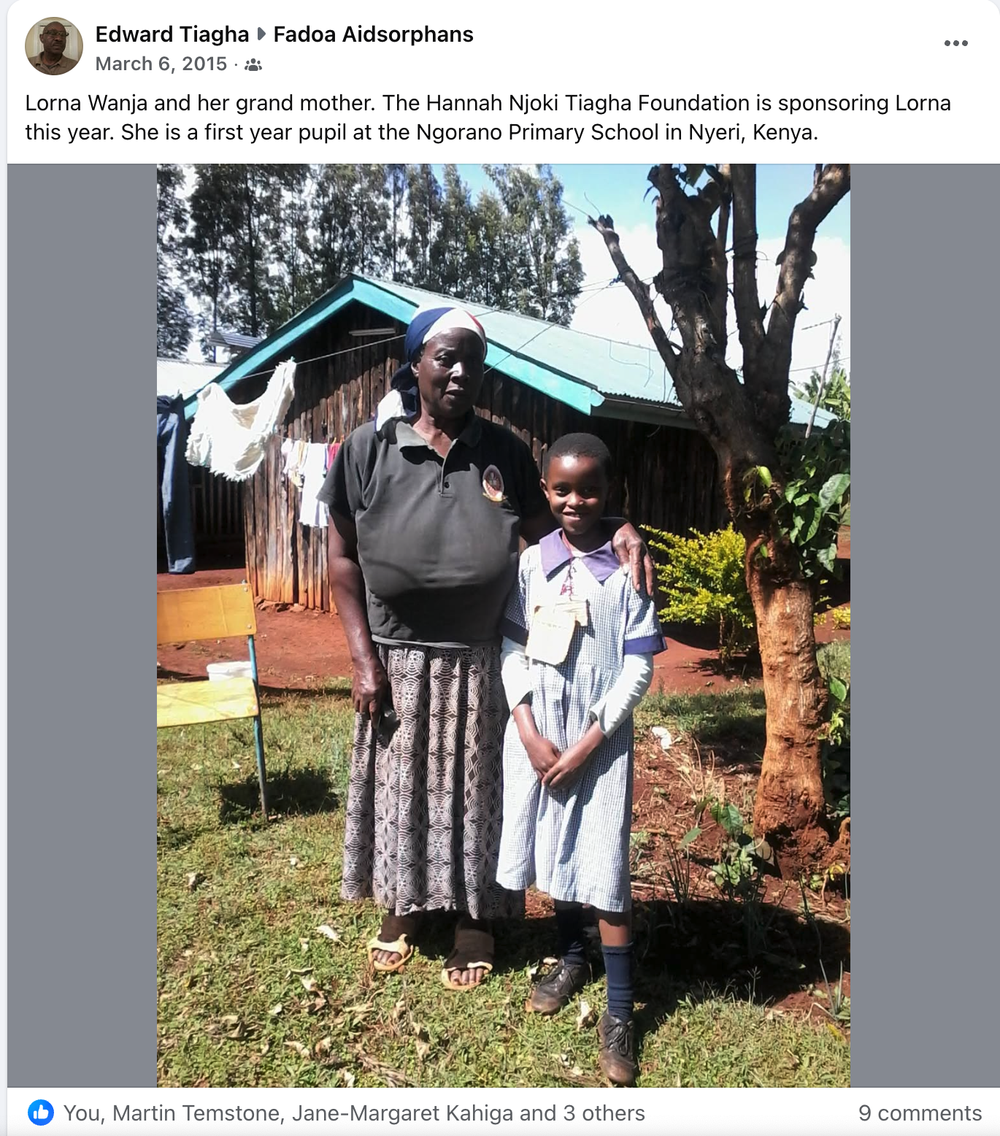
Featured Case Study: Lorna’s Journey in Kenya
Lorna’s story is a clear example of how orphaned children can benefit from long-term support by organizations like FADOA. Sponsored by FADOA from her primary school years in Ngorano, Kenya, Lorna was later supported into secondary school in Tumutumu, Kenya. As of 2026, she is enrolled in a nursing program in Nyeri, Kenya. Her progress shows what effective intervention looks like in practice: consistent sponsorship, educational continuity, caregiver stability, and support that stays with a child long enough to change her future. Lorna’s journey is not only a personal success story. It is a practical case study in how sustained local support can help an orphaned child move from vulnerability to professional training and long-term independence.
What African Success Stories Have in Common
Support is local enough to reach the child consistently.
Caregivers are supported rather than blamed for poverty or strain.
Schools, community partners, and households communicate before a problem becomes severe.
The intervention addresses more than one need at a time, especially education, emotional support, and household stability.
Children remain connected to family and community life rather than being treated only as service recipients.
Programs follow through over time instead of stopping after the first visible intervention.
Why Cameroon Offers Important Lessons
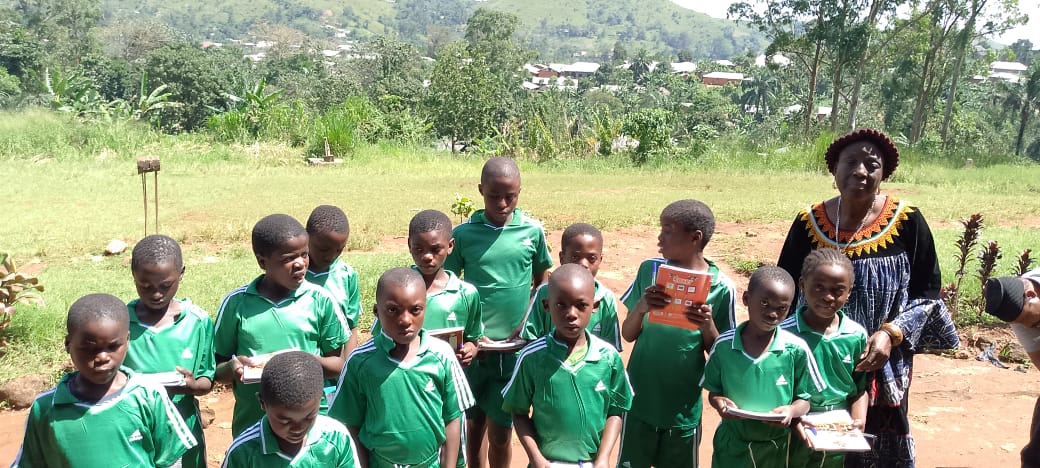
Cameroon shows why local trust matters in success stories involving AIDS orphans. In rural and fragile settings, families may face long distances, weak service access, household poverty, and social strain all at once. That means effective interventions usually have to be close to the child’s daily life. When local organizations, schools, churches, and caregivers act together, children are more likely to stay visible and supported even when formal systems are thin.
The most credible success stories from Cameroon are often grounded in practical follow-up: keeping children in school, supporting foster or kin caregivers, reducing household stress, and maintaining social belonging. Cameroon highlights a simple truth about effective intervention. The closer support is to the child’s real environment, the more likely it is to last.
Why Kenya Offers Important Lessons
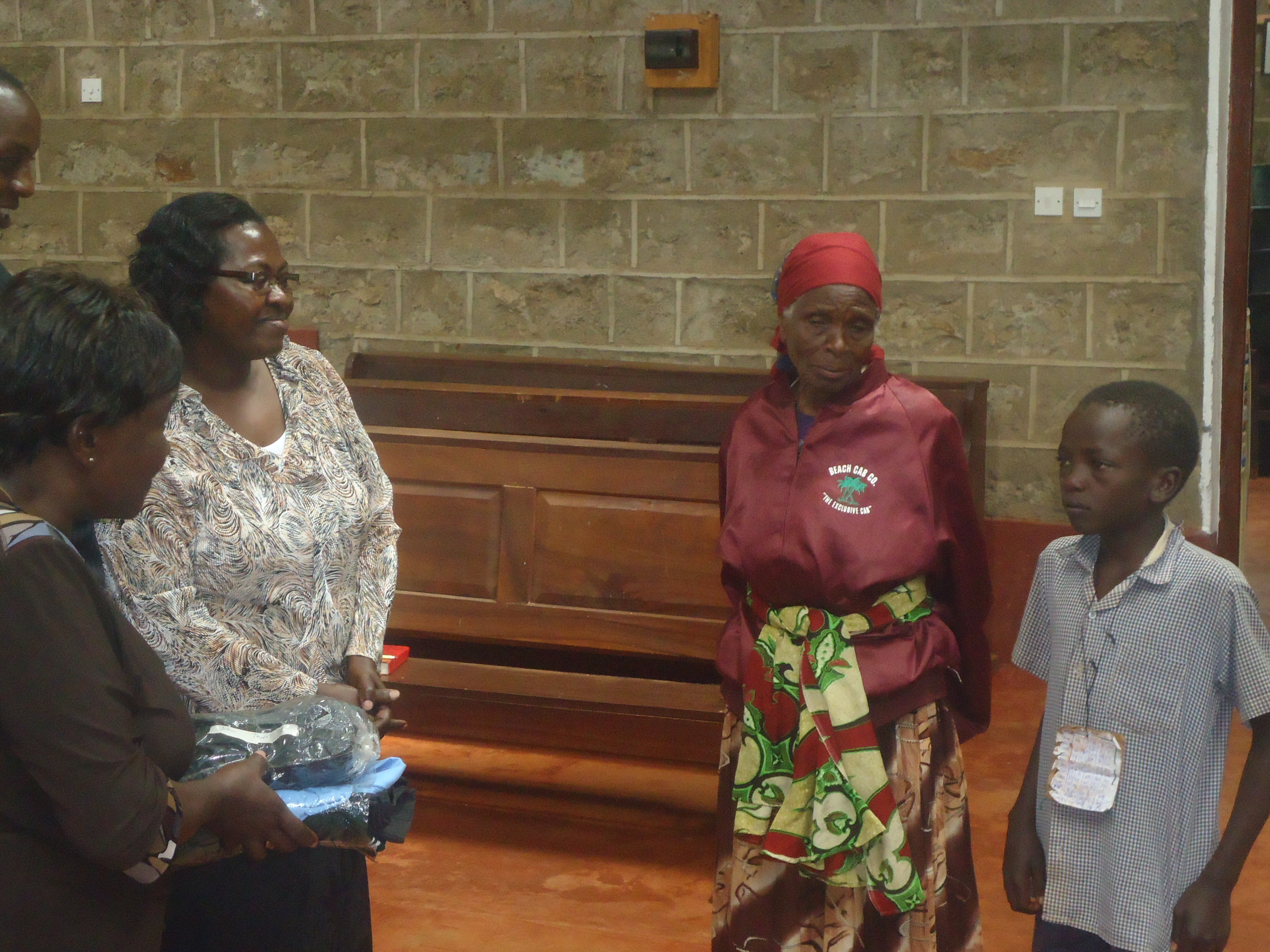
Kenya offers a complementary lesson. In many Kenyan settings, stronger community networks, school linkages, faith groups, and local child-focused organizations can make interventions more durable and easier to coordinate. Success stories in Kenya often show how children benefit when community structures already exist to notice absence, guide caregivers, and reinforce support over time.
This makes Kenya especially useful when looking at effective interventions such as school retention support, caregiver coordination, mentoring, cash-plus models, and community-based follow-up. The success is rarely due to one intervention in isolation. It comes from a network of people and institutions that keep the child from dropping out of care, school, or community life.
Why These Stories Matter for Donors
Success stories are most useful when they show replicable patterns rather than sentimental exceptions. For donors, the question is not whether one child overcame hardship. It is what conditions made that progress possible and whether those conditions can be sustained for many others. Across Africa, the most effective models usually combine modest resources with strong follow-up, local accountability, and support that strengthens the child’s environment rather than only addressing one isolated need.
That is why case studies remain valuable. They show that effective interventions for AIDS orphans are rarely mysterious. They are practical, relational, and consistent. When schools, caregivers, local organizations, and community networks work together, children have a far better chance of moving from instability toward long-term resilience.
FAQ About Case Studies and Success Stories from Africa
What kinds of interventions appear most often in success stories?
Education support, caregiver strengthening, psychosocial care, school follow-up, and community-based case management appear repeatedly.
The strongest results usually come when these supports are combined rather than delivered separately.
Why highlight Cameroon and Kenya?
Cameroon shows how locally rooted support can work in rural and fragile settings where service access is uneven.
Kenya shows how stronger community networks and school linkages can make effective interventions more durable.
What should donors learn from these case studies?
The most effective orphan-support programs strengthen the environment around the child, not just the child alone.
Programs are more successful when they are accountable, community-based, and sustained over time.
Related Reading
Continue Exploring
Research & Insights
Legal Rights and Protections for AIDS Orphans in Africa
AIDS orphans in Africa need more than care alone. They need enforceable rights to legal identity, family-based care, inheritance, and protection from abuse, with Cameroon and Kenya showing where those systems work and where gaps remain.
Sustainable solutions for orphan care in Africa depend on long-term community systems, caregiver support, education continuity, and accountable local partnerships, with special emphasis on Cameroon and Kenya.
The role of NGOs and governments in Africa is central to protecting AIDS orphans through education, health access, child protection, and social support, with important lessons from Cameroon and Kenya.
Support the kind of local, accountable interventions that help AIDS orphans move from crisis to stability through school continuity, caregiver support, and community-based care.