FADOA Research TeamApr 7, 20268 min readResearch & Insights
Across the continent, the central challenge is durability. Many programs can provide temporary relief, but fewer create structures that remain strong after an emergency, a school term, or a donor cycle ends. Sustainable orphan care in Africa depends on strengthening families, community networks, schools, clinics, and local organizations together. Cameroon and Kenya are especially important examples because they show two different but complementary paths toward long-term support for AIDS orphans: one shaped by rural fragility and uneven service access, and the other shaped by stronger community networks and more visible social-protection linkages.
What Makes Orphan Care Sustainable
Sustainability in orphan care means more than keeping a program open. It means creating support that remains practical, trusted, and locally manageable over time. A sustainable model does not only ask what a child needs today. It asks what will still protect that child next year if a caregiver becomes ill, school costs rise, or outside funding tightens. The goal is continuity, not temporary visibility.
Caregiver-centered support so grandparents, relatives, and foster households can continue providing stable care.
Education continuity that reduces dropout risk through uniforms, supplies, school follow-up, and term-by-term planning.
Community-based child protection that identifies risk early rather than waiting for a visible crisis.
Health and psychosocial support that treats grief, stigma, and treatment disruption as long-term issues, not short-term side problems.
Local ownership through schools, faith groups, women’s associations, community volunteers, and credible local NGOs.
Accountability systems that track whether support actually reaches children consistently.
Why Family and Community-Based Care Works Best
Most African children who lose parents are not served best by institutional care. They are more likely to remain connected, protected, and emotionally grounded when they can stay in family or community-based environments that preserve identity, language, school continuity, and local belonging. Extended-family care is already the reality in many communities, but it often operates under severe economic and emotional strain. Sustainable solutions do not replace that system. They strengthen it.
That usually means helping the adults around the child remain capable over time. A grandmother caring for several children may need income support, school assistance, food support, counseling, and better connection to local services. A community volunteer may need referral tools and supervision. A school may need a clearer way to identify children at risk of dropout. When these parts reinforce one another, orphan care becomes more durable and less dependent on crisis response.
Sustainable Models That Deserve More Investment
Cash-plus support that combines household financial help with case management, school support, or caregiver coaching.
Village savings, livelihoods, and economic strengthening models that reduce chronic pressure on caregiver households.
School-linked retention systems that monitor attendance, identify early warning signs, and coordinate with caregivers.
Faith and community partnership models that extend protection through trusted local institutions.
Foster and kinship-care support that improves the stability of family placements rather than assuming love alone is enough.
Integrated case-management approaches that connect education, health, psychosocial care, and child protection instead of treating them separately.
Cameroon: Sustainability Depends on Local Resilience
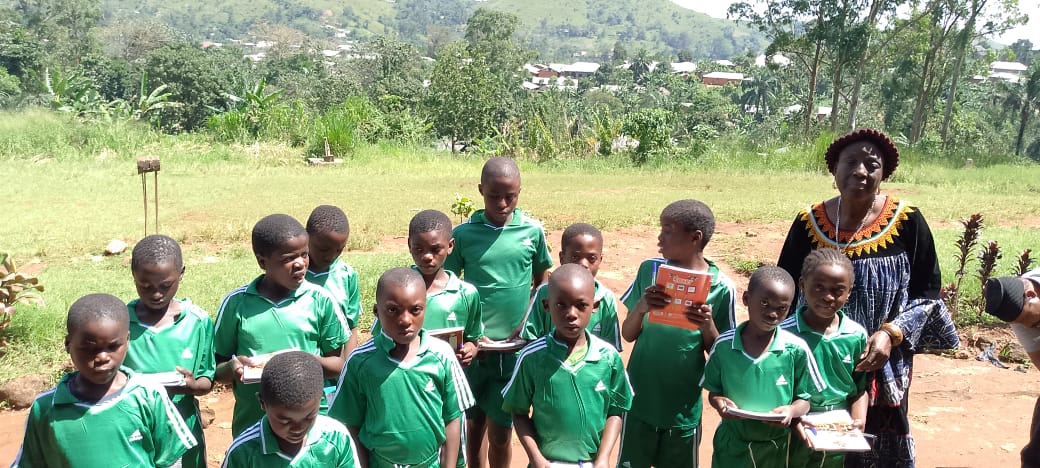
In Cameroon, sustainable orphan care is closely tied to the strength of local relationships. In rural and fragile settings, children may face overlapping pressures from poverty, distance, interrupted services, and household instability. A model that works on paper may still fail if schools are hard to reach, local welfare systems are stretched, or caregivers cannot absorb another year of costs. For that reason, sustainability in Cameroon often depends on practical, community-level support rather than complex formal systems alone.
The strongest long-term models in Cameroon usually build around caregivers, churches, local associations, schools, and trusted community actors who already know the households involved. Education support, household follow-up, psychosocial care, and modest economic strengthening can be more sustainable when they move through those local structures. The lesson from Cameroon is that resilience comes from rooted delivery. Children do better when support is close enough to remain present after the initial intervention ends.
Kenya: Sustainable Care Through Community Networks
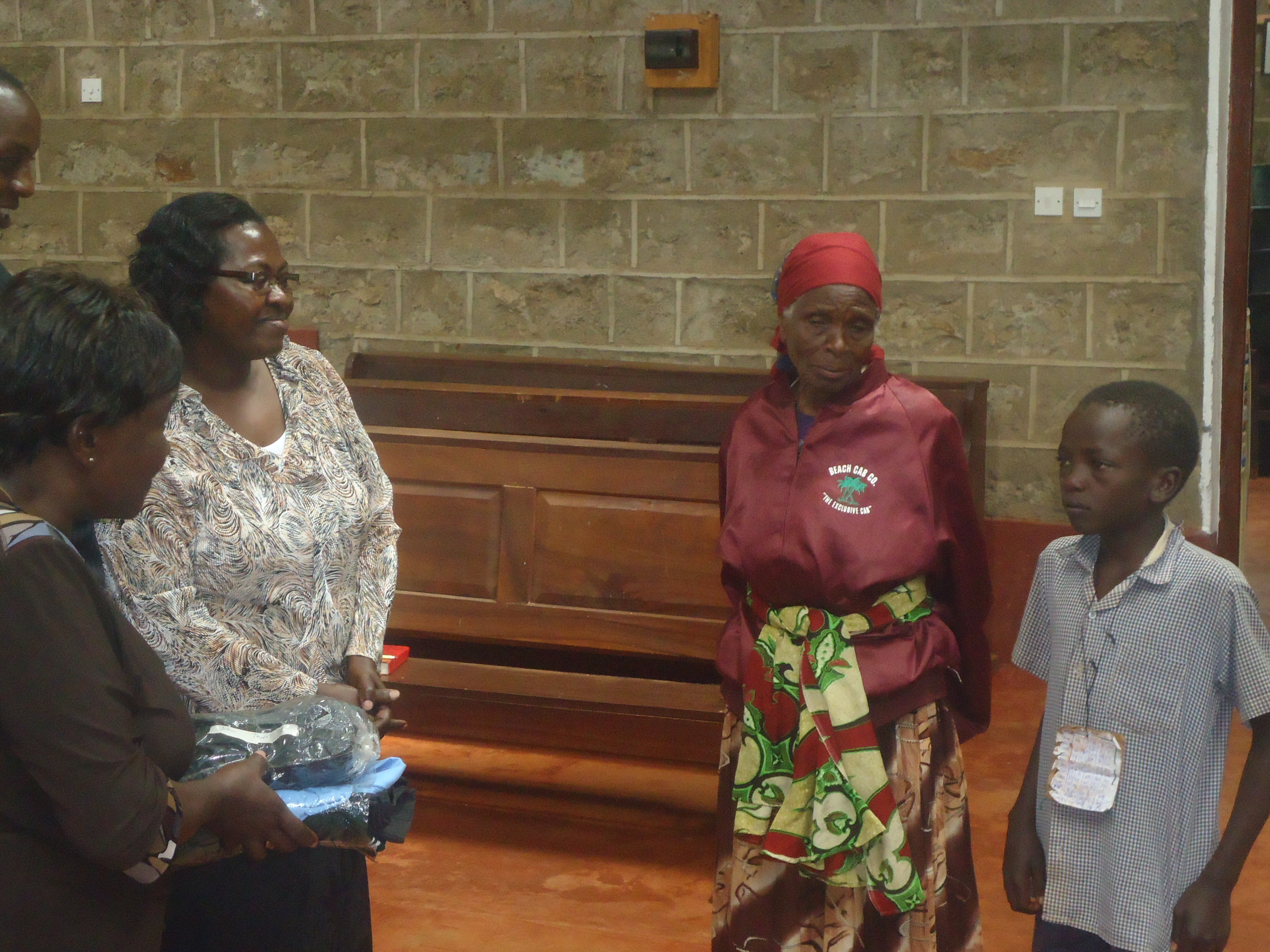
Kenya shows how sustainable orphan care can grow when community systems and public support are better connected. In many Kenyan settings, schools, community volunteers, faith groups, and local child-focused organizations already play visible roles in supporting vulnerable children. That creates stronger conditions for long-term care because support does not have to begin from zero. It can be layered onto existing networks of follow-up, referral, and community trust.
This makes Kenya especially relevant for sustainable care models such as cash-plus support, school retention planning, caregiver coaching, adolescent mentoring, and faith-linked community protection. These models are more durable when they are coordinated through local systems people already use. Kenya demonstrates that orphan care becomes more sustainable when families are not left to navigate school, health, and protection needs alone. Community structure is what helps programs last.
Why Short-Term Aid Often Falls Short
Short-term aid is valuable when it prevents immediate harm, but it rarely solves the deeper instability that orphaned children face. A one-time food package, uniform distribution, or school-fee payment can relieve urgent pressure, yet the child may still face the same risk a few months later if the household remains fragile. Sustainable care requires repeated follow-up, not only one-off delivery.
This is also why program design matters. The most effective orphan-care models usually combine immediate support with capacity-building. They help the caregiver cope today while also reducing tomorrow’s risk. Without that second step, programs can become visible but not durable.
What Donors Should Look For
Programs that strengthen family and kinship care instead of defaulting to expensive institutional approaches.
Evidence of local partnerships with schools, caregivers, community groups, and frontline child-protection actors.
Budget lines that support follow-up, case management, and continuity rather than only visible distributions.
A realistic plan for sustaining support after a grant cycle or emergency response phase ends.
Clear safeguarding and accountability processes that protect children and track whether services remain active.
Country-specific design that reflects the realities of Cameroon, Kenya, and other local contexts rather than a generic Africa-wide model.
What Good Accountability Looks Like in Long-Term Care
Strong orphan-care programs do not measure success only by how many children were reached once. They ask whether children stayed in school, whether caregivers remained stable, whether referrals were completed, whether placements stayed safe, and whether household pressure reduced over time. Accountability in sustainable care means following the child’s pathway, not just reporting an output.
For Cameroon, Kenya, and many other African settings, the most sustainable solution is not a single program model. It is a practical ecosystem of care. Governments, local NGOs, schools, faith communities, caregivers, and donors all have roles to play. The long-term goal is simple: build support systems strong enough that orphaned children are not pushed back into crisis every time outside help slows down.
FAQ About Sustainable Solutions for Orphan Care in Africa
Why is family-based care usually more sustainable than institutional care?
Because children generally do better when they remain connected to family, school, language, and community identity.
Family and kinship care is more durable when programs strengthen caregivers with practical support instead of separating children from local life.
Why focus especially on Cameroon and Kenya?
Cameroon highlights the need for locally rooted support in rural and fragile settings where formal service access can be uneven.
Kenya shows how community networks and social-protection linkages can make orphan care more durable over time.
What makes an orphan-care program truly sustainable?
The strongest programs combine household stability, school continuity, psychosocial support, child protection, and local accountability.
Sustainability comes from systems that continue protecting children after the first intervention, not from one-time aid alone.
Related Reading
Continue Exploring
Research & Insights
Legal Rights and Protections for AIDS Orphans in Africa
AIDS orphans in Africa need more than care alone. They need enforceable rights to legal identity, family-based care, inheritance, and protection from abuse, with Cameroon and Kenya showing where those systems work and where gaps remain.
Case studies and success stories from Africa show how AIDS orphans can overcome grief, poverty, school disruption, and social isolation when effective interventions are practical, local, and sustained.
The role of NGOs and governments in Africa is central to protecting AIDS orphans through education, health access, child protection, and social support, with important lessons from Cameroon and Kenya.
Support sustainable, locally rooted orphan-care models that strengthen caregivers, protect children, and keep AIDS orphans connected to school, health services, and community support over time.