FADOA Research TeamApr 6, 20268 min readResearch & Insights
For donors and community advocates, this matters because orphan support is not just about charity. It is about whether systems actually work for children after a household crisis. Across Africa, NGOs and government bodies both play essential roles in supporting AIDS orphans, but their responsibilities are different. Governments carry the duty to provide public systems and legal protection. NGOs often move faster at community level, especially where poverty, stigma, conflict, or weak infrastructure make formal services harder to reach. Cameroon and Kenya show how these roles can overlap, reinforce one another, and sometimes leave gaps when coordination is weak.
Why AIDS Orphans Need Both NGOs and Government Support
Children affected by HIV-related orphanhood rarely face one problem in isolation. A child may be grieving, living with a grandparent, struggling to stay in school, lacking uniforms or fees, missing clinic appointments, and facing social stigma at once. Public policy can establish entitlement and protection, but policy alone does not guarantee delivery. In practice, children need people and institutions that can identify risk early, check on households regularly, and respond before school dropout, neglect, or exploitation sets in.
This is where a shared model matters. Government bodies provide the legal and institutional backbone: education systems, health systems, social welfare offices, child-protection frameworks, and national HIV strategies. NGOs, faith-based groups, and community organizations often supply the last-mile support that helps those systems reach the child consistently. When the two sides work together, support is more stable and more accountable.
What Governments Commonly Do for AIDS Orphans
Set national child-protection, education, and HIV-response policies that define who should be protected and what support should exist.
Fund and manage public schools, health facilities, social workers, and local administrative structures that families depend on.
Run or supervise social-protection measures such as school support, fee relief, food assistance, or cash-transfer systems where available.
Establish birth registration, guardianship, and legal identity processes that help orphaned children access services safely.
Coordinate ministries and local authorities so that children are not treated only as a health issue or only as a poverty issue.
Create safeguarding and accountability standards that NGOs and community partners can align with.
What NGOs Commonly Do for AIDS Orphans
Identify vulnerable children and caregivers that public systems may miss, especially in rural or under-resourced areas.
Provide practical help such as uniforms, school supplies, food support, counseling, home visits, referral follow-up, and caregiver coaching.
Build trust with communities where stigma or fear makes families reluctant to approach formal institutions.
Pilot locally responsive programs and adapt quickly when needs shift across seasons, school terms, or emergencies.
Support community volunteers, churches, women’s groups, and foster caregivers who carry much of the daily care burden.
Document gaps in service delivery and advocate for stronger public protection and better coordination.
Why Policy Still Matters
Policies and national programs matter because they decide whether orphan support is treated as a public responsibility or left to chance. Strong child-welfare and HIV-response frameworks can improve referral systems, reduce school exclusion, protect inheritance and identity rights, and encourage more consistent coordination between health, education, and social services. Weak policy environments usually force households to rely almost entirely on informal care, which increases pressure on grandparents and low-income relatives.
The quality of implementation is equally important. A policy can look strong on paper and still fail a child if transport is unaffordable, social workers are overstretched, records are incomplete, or local services are too distant. That is why NGOs often matter most not as replacements for government, but as partners that help make policy real at household level.
Cameroon: Public Responsibility Meets Local NGO Delivery
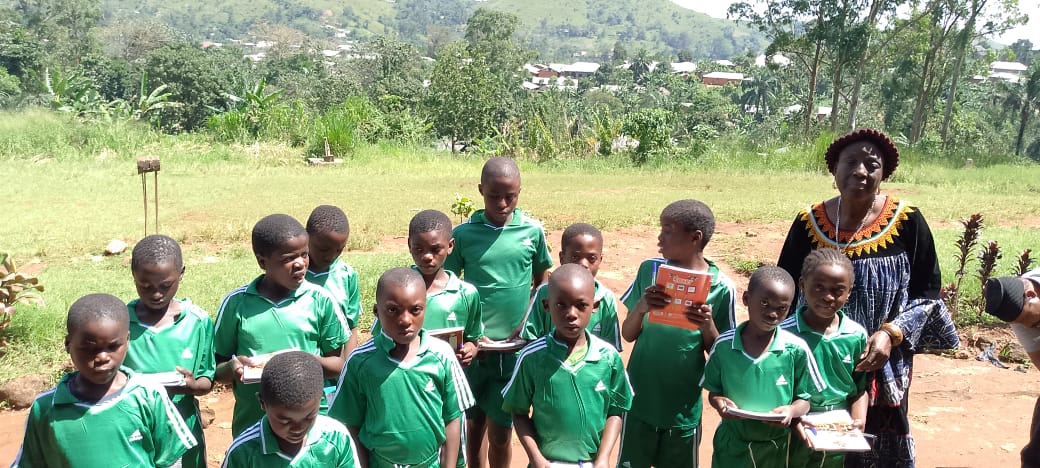
In Cameroon, support for AIDS orphans depends heavily on the interaction between public institutions and community-based organizations. Government bodies provide the formal framework through ministries responsible for social affairs, education, public health, and child protection. These systems matter for school access, health services, documentation, and the official recognition of vulnerable children. But in many rural communities, families still experience services through distance, understaffing, and uneven access rather than through policy language.
This is where NGOs and local associations become indispensable. In parts of Cameroon, they help identify orphaned children, follow up with caregivers, assist with school continuity, and connect households to whatever services exist nearby. In conflict-affected or economically fragile settings, NGOs may also be the more consistent presence for children whose family networks are already under strain. The practical lesson from Cameroon is clear: government structures are necessary, but local NGO delivery often determines whether a child actually receives timely support.
Kenya: Social Protection and Community Networks
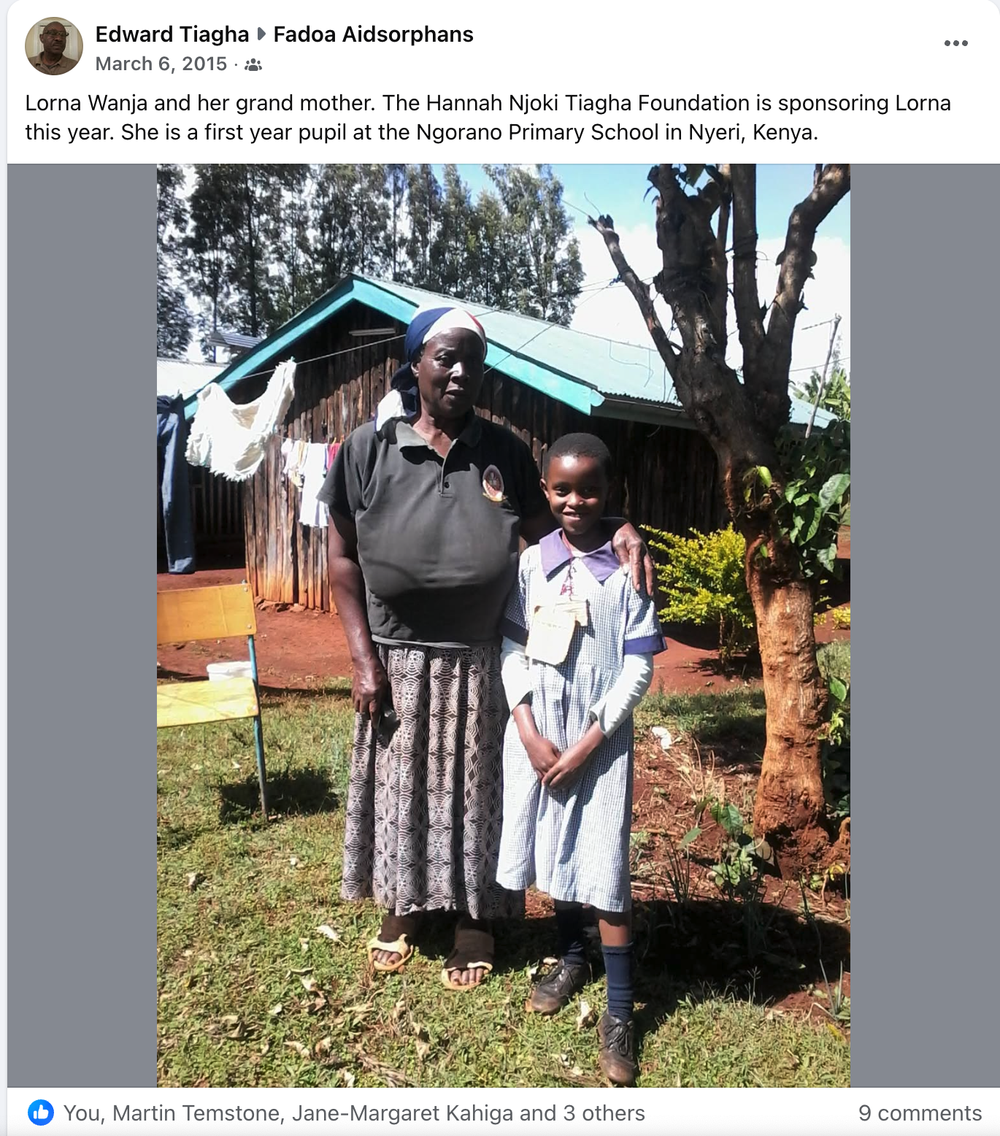
Kenya offers a strong example of how government policy and NGO programming can reinforce one another. Public systems have played a visible role in education access, HIV response, and social protection for vulnerable children. Kenya is also widely associated with targeted support for orphans and vulnerable children through cash-transfer approaches and community-linked child-welfare systems. Those mechanisms help reduce the risk that orphaned children are excluded purely because caregivers cannot absorb the financial shock of loss.
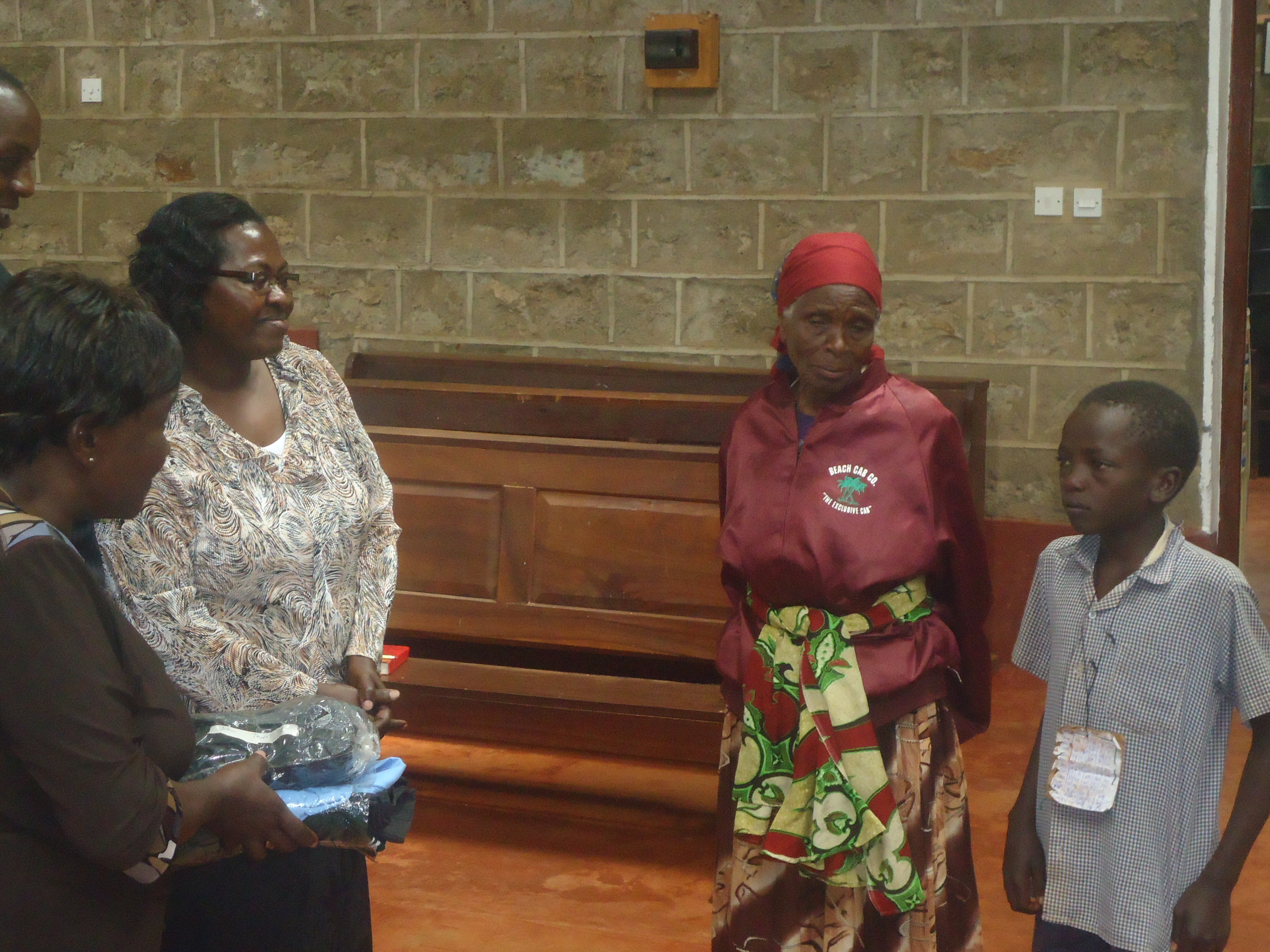
At the same time, Kenyan NGOs, faith-based organizations, schools, and community health networks often provide the relational support that national systems alone cannot sustain. They help with follow-up, psychosocial support, household visits, adolescent guidance, and referral tracking. Kenya shows that policy works best when it is reinforced by community trust. A family may be eligible for support, but it is often local NGO staff, teachers, or community volunteers who make sure the child does not disappear between systems.
Programs That Work Best in Practice
Education support programs that keep children in school through uniforms, supplies, fee support, transport help, and term-start follow-up.
Case management and home-visit models that track whether children are safe, enrolled, fed, and connected to care.
Cash or household support for low-income caregivers, especially grandparents and foster families absorbing extra children.
Psychosocial support that addresses grief, stigma, trauma, and adolescent isolation rather than focusing only on material needs.
School, clinic, and social-welfare referral systems that reduce the risk of children falling through gaps.
Community-based child-protection programs that monitor neglect, abuse risk, exploitation, and unsafe living arrangements.
Where Partnerships Often Break Down
Policies exist, but local offices lack staff, transport, or case-follow-up capacity.
NGOs deliver strong short-term support, but funding cycles end before households stabilize.
Schools, clinics, and child-protection actors collect information separately and do not coordinate consistently.
Urban programs are easier to reach than remote rural communities, leaving the hardest cases least served.
Children are identified as vulnerable, but caregivers still cannot cover everyday costs that determine school continuity.
Stigma or fear prevents families from engaging early enough with services that do exist.
What Good Accountability Looks Like
The most effective support models do more than announce programs. They track whether services reach the child on time and whether support remains stable after the first intervention. Good accountability means checking attendance, verifying referrals, reviewing household follow-up, and adapting when a child’s situation changes. Governments need data that reflects local realities, and NGOs need delivery standards that go beyond good intentions.
For Cameroon, Kenya, and many other African contexts, the central lesson is that AIDS orphan support works best when public responsibility and local implementation are linked. Governments provide scale, legitimacy, and system continuity. NGOs provide responsiveness, trust, and last-mile reach. Children are safest when those roles reinforce one another instead of operating in parallel.
FAQ About the Role of NGOs and Governments in Africa
Why can NGOs not replace governments?
Because only governments can establish national legal protections, public-service systems, and long-term policy obligations for all children.
NGOs can extend reach and improve delivery, but they are most effective when they strengthen rather than substitute for public systems.
Why are Cameroon and Kenya useful examples?
Cameroon shows how local NGOs become essential where rural access, fragility, and uneven services make delivery harder.
Kenya shows how social protection, education systems, and community-based organizations can work together more visibly around vulnerable children.
What should donors look for in orphan-support programs?
The strongest programs connect household support to schools, clinics, and child-protection systems instead of operating as isolated projects.
Donors should look for evidence of follow-up, local partnerships, safeguarding, and practical accountability rather than broad promises alone.
Related Reading
Continue Exploring
Research & Insights
Legal Rights and Protections for AIDS Orphans in Africa
AIDS orphans in Africa need more than care alone. They need enforceable rights to legal identity, family-based care, inheritance, and protection from abuse, with Cameroon and Kenya showing where those systems work and where gaps remain.
Case studies and success stories from Africa show how AIDS orphans can overcome grief, poverty, school disruption, and social isolation when effective interventions are practical, local, and sustained.
Sustainable solutions for orphan care in Africa depend on long-term community systems, caregiver support, education continuity, and accountable local partnerships, with special emphasis on Cameroon and Kenya.