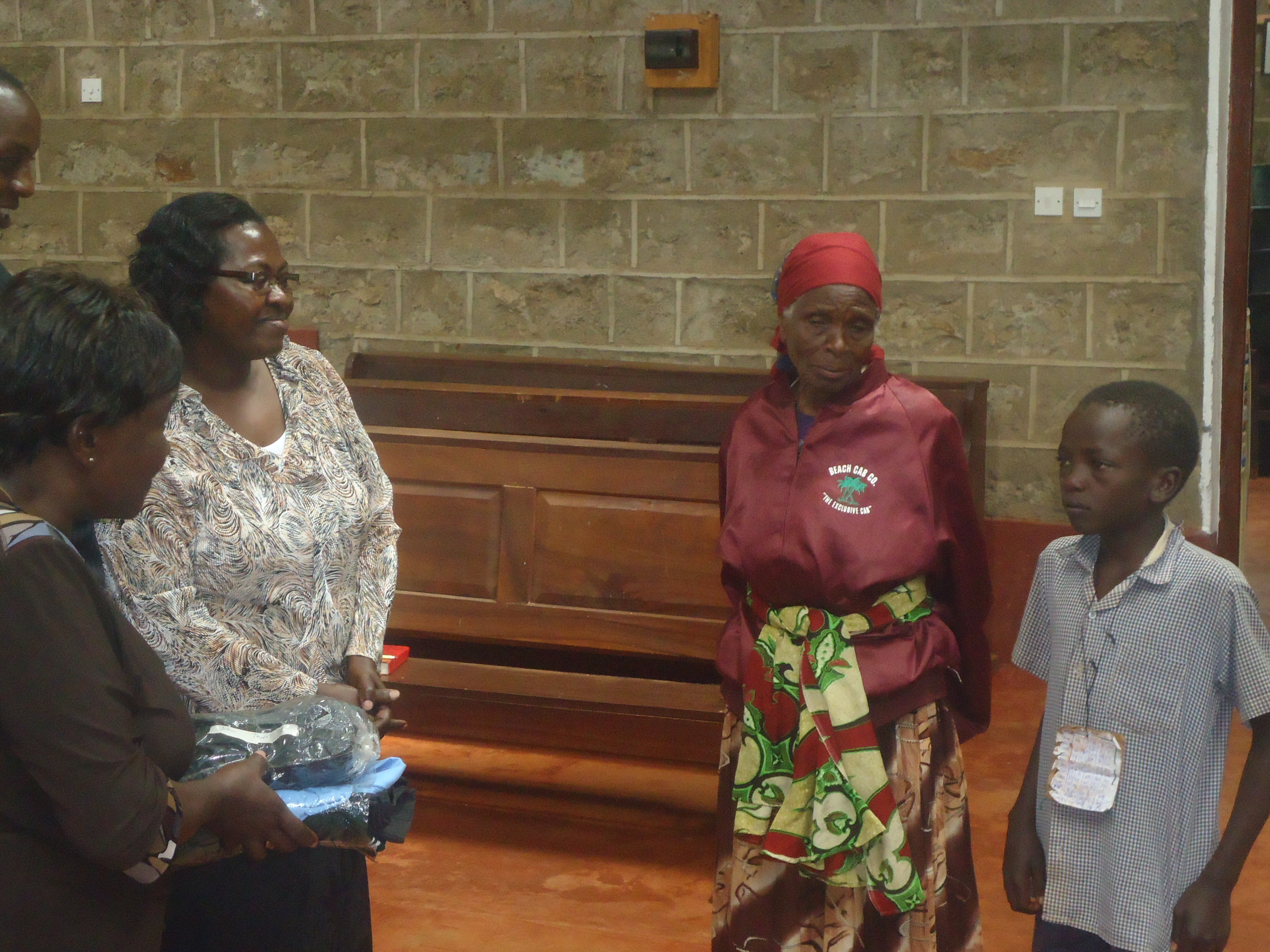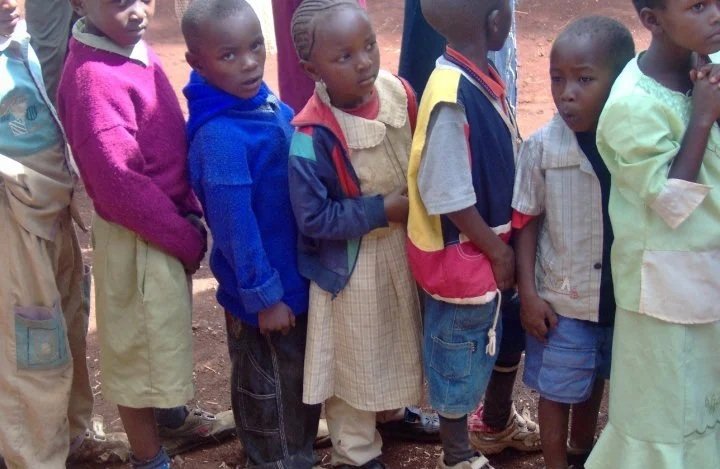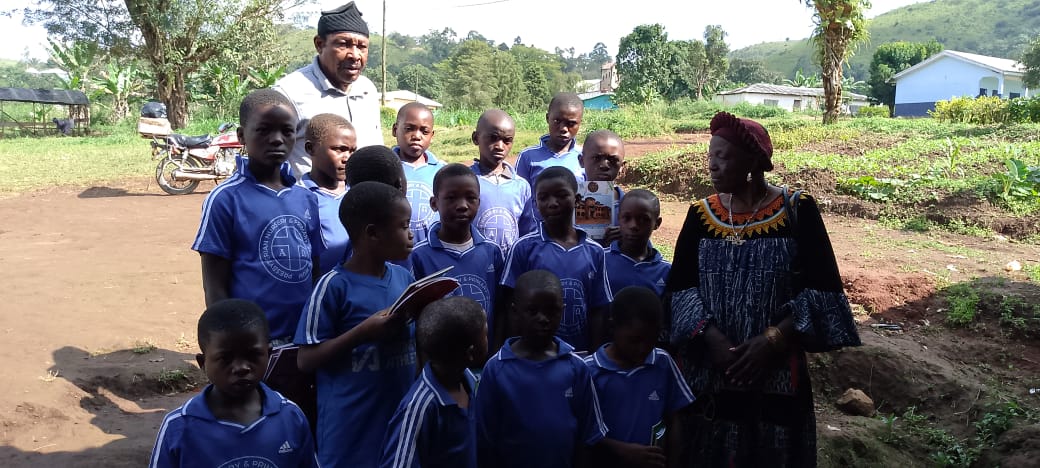
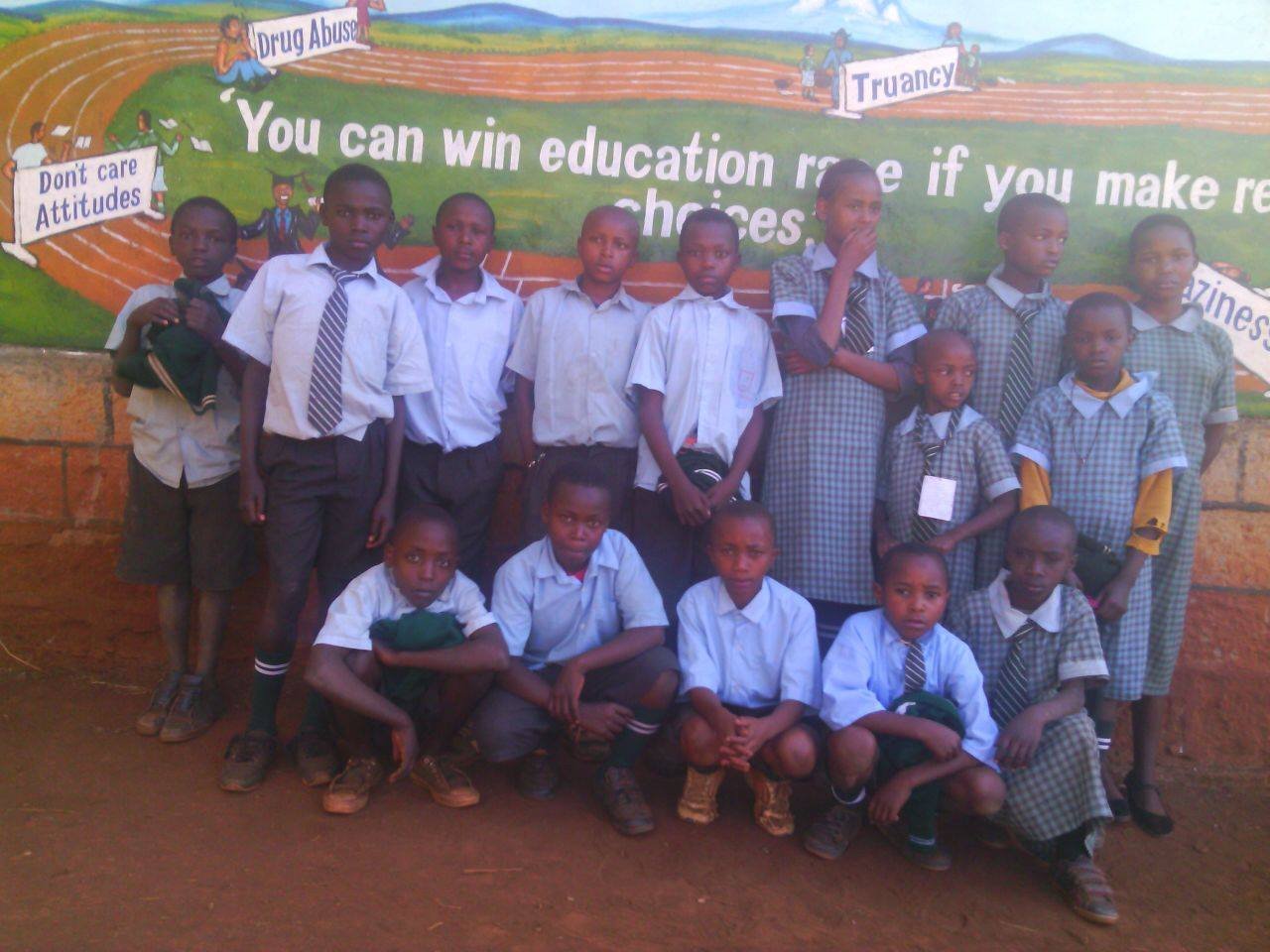
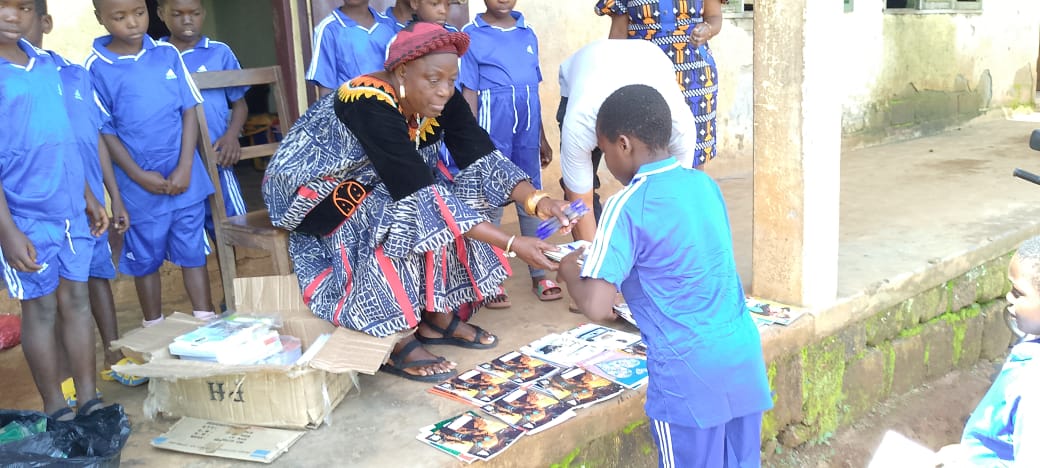
Ethical Storytelling and Consent: Communicating Children's Stories with Dignity
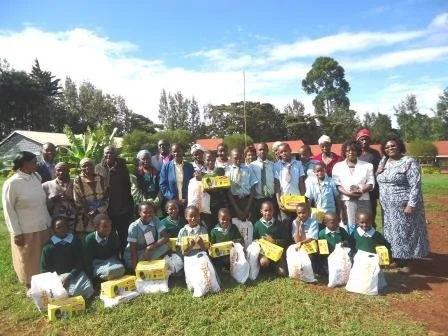
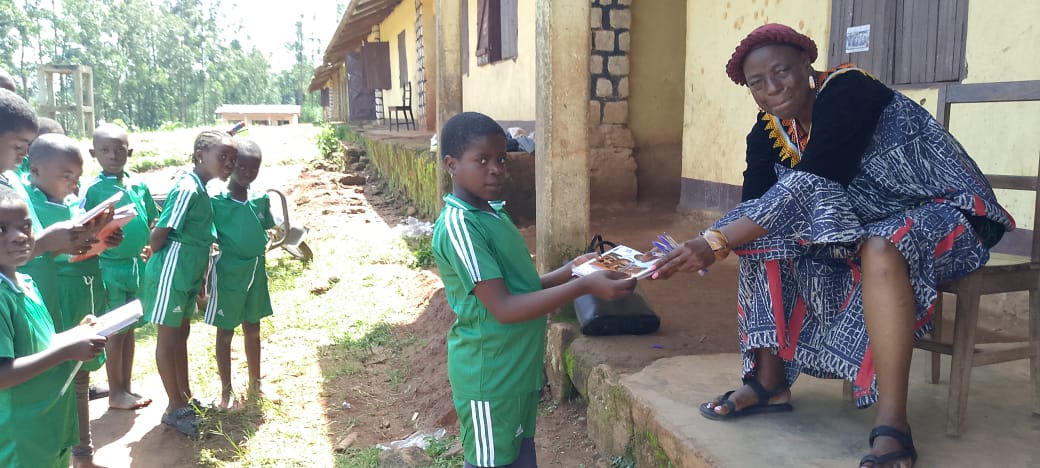
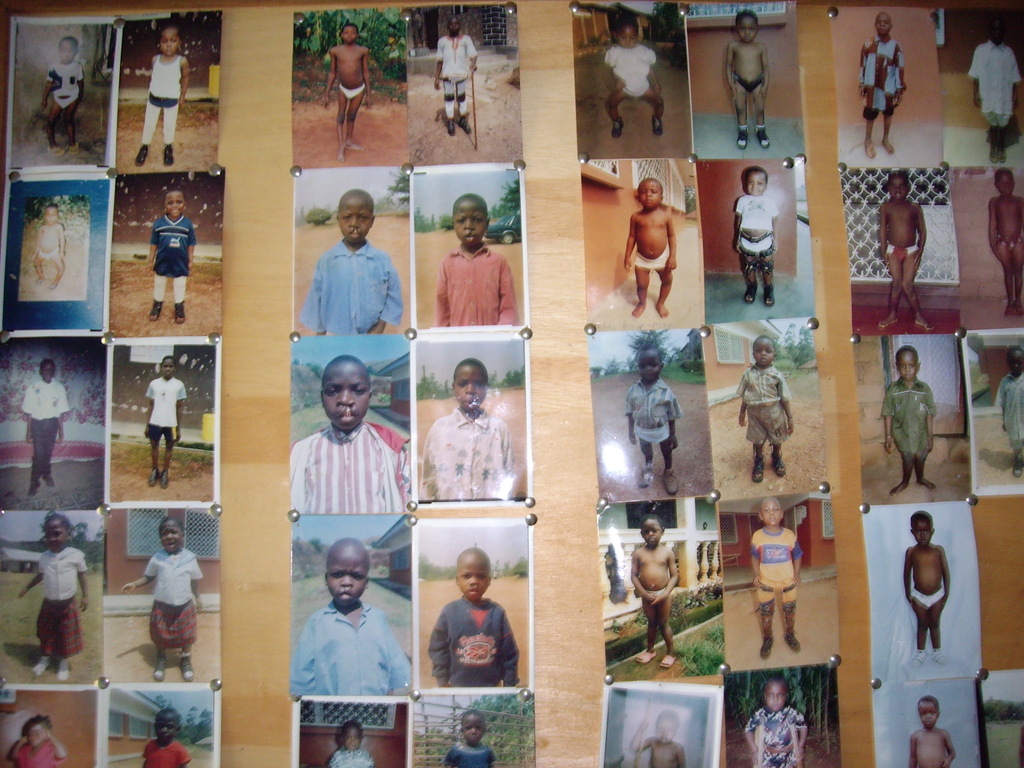
Your support should never come at a child’s expense. FADOA’s storytelling standards help donors stay informed while protecting children’s privacy, consent, and dignity.

Stories and Insights
Field updates, community voices, and the impact of your support.

Your support should never come at a child’s expense. FADOA’s storytelling standards help donors stay informed while protecting children’s privacy, consent, and dignity.

Your support should never come at a child’s expense. FADOA’s storytelling standards help donors stay informed while protecting children’s privacy, consent, and dignity.

Donor support for peer mentorship helps vulnerable learners stay connected to school, trusted role models, and safer day-to-day routines.

A child who is hungry cannot learn well. Donor-backed community feeding helps children arrive ready to learn, stay in class, and recover consistent school routines.

Donor support is most effective when it moves through trusted local networks. Faith-based partnerships help identify vulnerable children early and keep school support timely and accountable.

This donor-focused snapshot summarizes practical access barriers, attendance signals, and early program results from FADOA-supported communities in Cameroon’s East Region.

A mid-year donor update on practical delivery outputs and continuity signals: uniforms distributed, children retained in school, and caregivers supported through coordinated follow-up.

Behind every child who stays in school after loss, there is often a caregiver carrying the burden quietly. Donor support helps these women keep protection and education stable.

For vulnerable children, small costs often cause big disruptions. Donor gifts of $25-$75 can remove the exact barriers that lead to absenteeism and dropout.

Volunteer leadership is a practical protection asset. This update explains how youth and community volunteers strengthen attendance follow-up, referrals, and continuity for vulnerable learners.

Community networks in Kenya are helping vulnerable learners stay in school through local follow-up, caregiver support, and practical continuity planning.

Keeping girls in school lowers risk and strengthens long-term wellbeing. This update outlines practical barriers, delivery actions, and accountability signals for donors.

A field-grounded donor update on how conflict and poverty disrupt schooling in Cameroon’s North-West, and how local partners keep vulnerable children connected to class.

Donor trust depends on clear evidence that funds are used as intended. This update outlines how FADOA tracks delivery, verifies records, and reports outcomes responsibly.

A practical overview of AIDS-related orphanhood in Africa, including scale, child risks, caregiver pressure, and the support systems that matter most.
Real families, real outcomes, real change.
How resources are used and where they go.
Firsthand reflections from the field.
Stay Connected
Monthly highlights, program milestones, and ways you can help.