FADOA Research TeamApr 4, 20268 min readResearch & Insights
This is why AIDS must be understood as a community issue as well as a health issue. Across Africa, the epidemic has affected how families organize care, how grandparents and relatives absorb responsibility, how local institutions respond to vulnerability, and how cultural norms around illness, shame, death, and belonging continue to evolve. The strongest community responses do not deny this disruption. They work inside it, rebuilding support through schools, churches, women’s groups, youth networks, caregivers, and local partner organizations. Cameroon and Kenya offer especially useful examples because both countries show how HIV-related vulnerability reshapes community life in different but equally important ways.
Why the Community and Cultural Impact Matters
AIDS changes daily life long before policy language catches up. When a parent dies, the loss is not only emotional. The household may lose farming labor, business income, transport money, and the adult who managed school costs, food, medication, and social ties. Siblings may be separated. A grandmother may become the primary caregiver despite having little income of her own. Adolescents may leave school to help at home. In that sense, the cultural impact of AIDS is visible in the rearrangement of responsibility: who raises children, who provides food, who speaks for the family, and who remains socially included.
The community impact is equally practical. Schools see attendance instability. Faith groups and village leaders absorb more requests for help. Women’s groups and informal savings circles become survival systems. Local stigma can push people into silence, while local solidarity can pull them back into support. This is why programs for AIDS orphans and vulnerable children have to pay attention to the social environment around the child rather than only the child’s immediate material needs.
How AIDS Reshapes Families, Caregiving, and Belonging
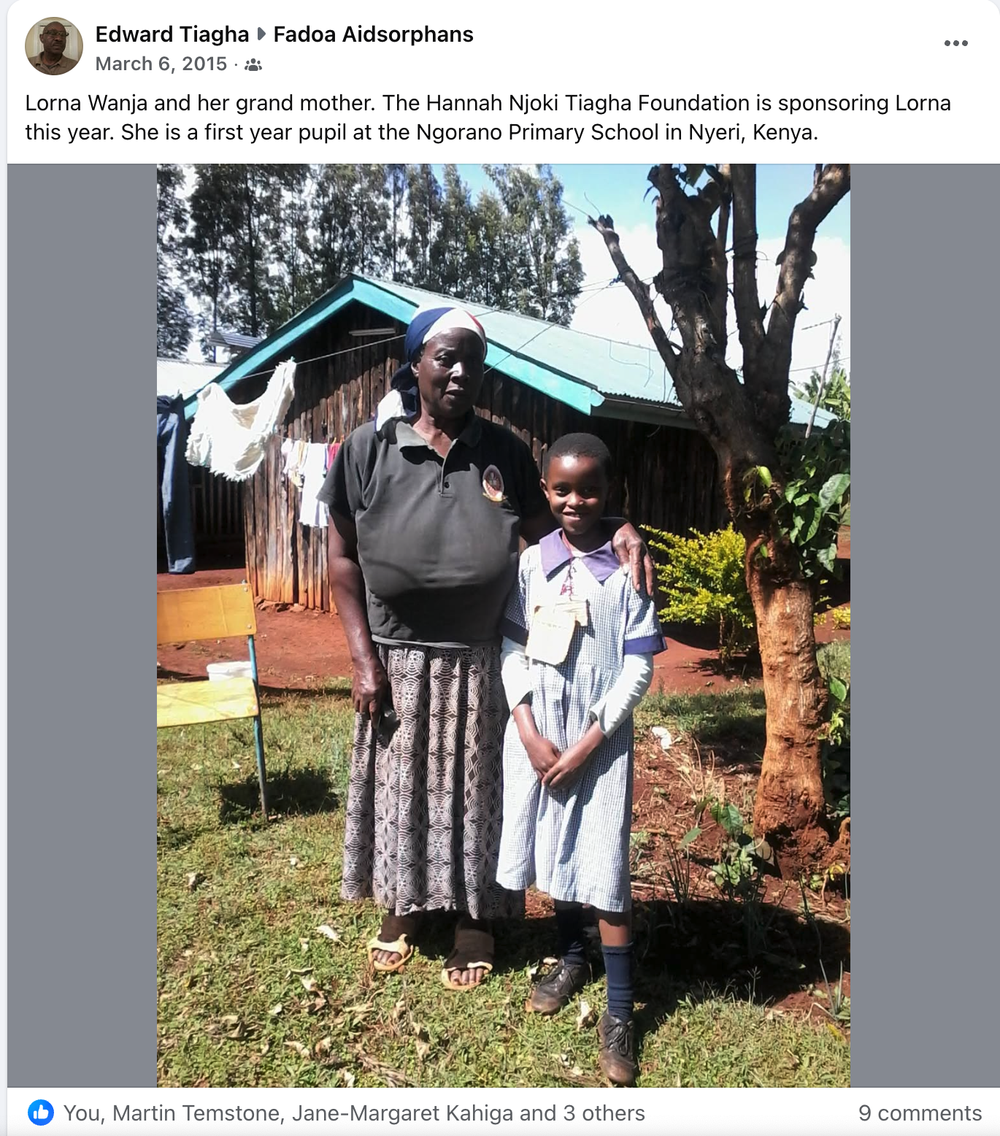
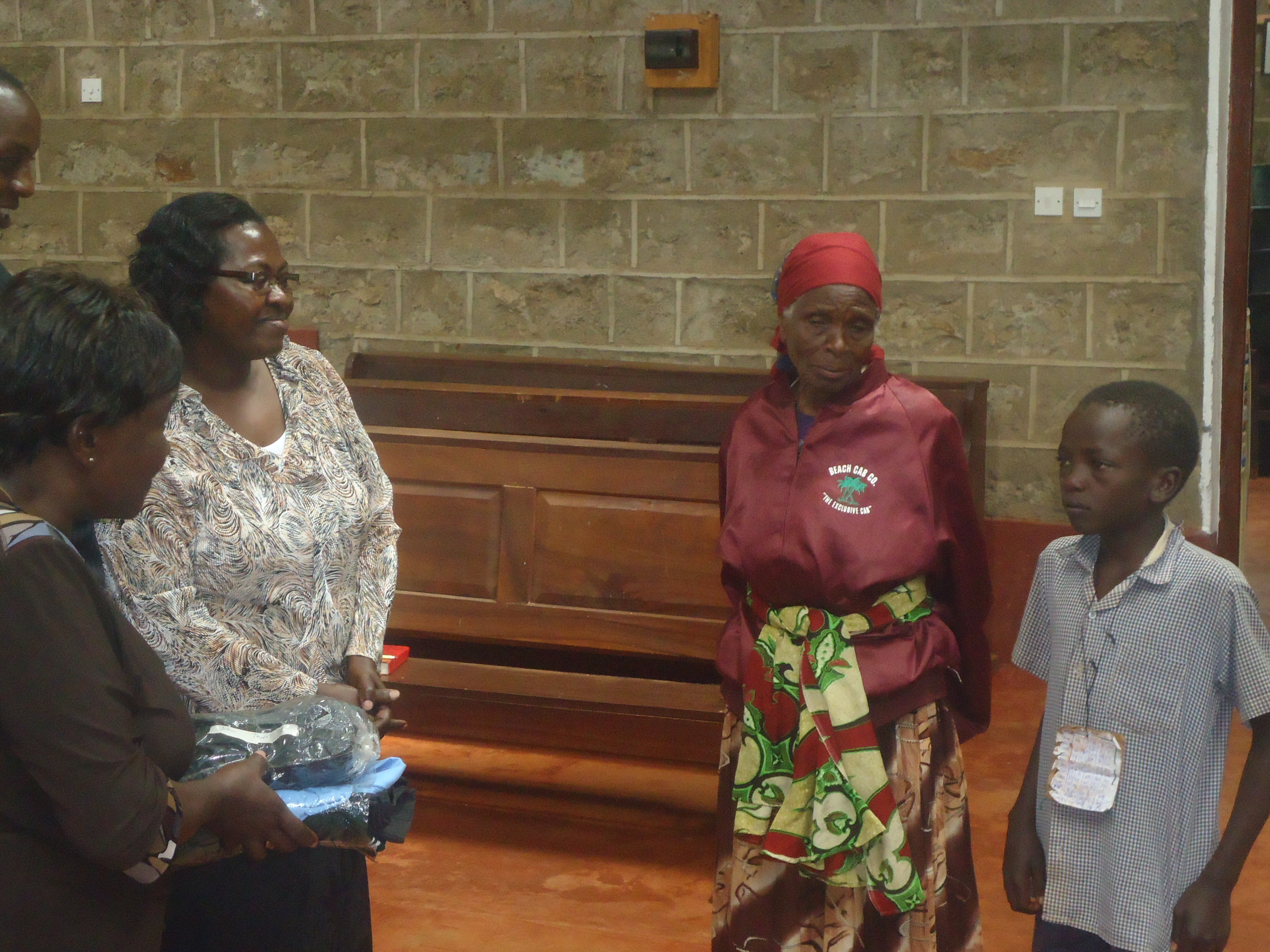
Grandparents and extended relatives often take in orphaned children, sometimes with very limited income and support.
Older siblings may assume adult responsibilities earlier than expected, including caregiving, earning, and school-related decisions.
Child-headed or highly strained households can emerge where adult care is weak or inconsistent.
Mourning, memory, and household identity may shift when children grow up without parents who would normally transmit family history, customs, and expectations.
Community belonging can weaken when stigma, secrecy, or poverty isolate affected households from neighbors and local institutions.
At the same time, local solidarity networks can become stronger where communities choose collective responsibility over exclusion.
Stigma Still Has Social and Cultural Consequences
Stigma remains one of the clearest ways AIDS affects culture and community life. In some settings, families affected by HIV still carry fear of judgment, moral blame, or social distancing. That fear can influence whether a parent seeks testing, whether a caregiver discloses the cause of death, whether a child feels safe talking about loss, and whether a household participates confidently in community life. The cultural burden is not only the disease itself. It is the silence and shame that often surround it.
Where stigma is strong, children may experience bullying, reduced support, or a sense that their family’s suffering must remain hidden. Where stigma is challenged by trusted leaders, schools, and community groups, families are more likely to stay connected to care and local support. That difference matters because social inclusion is often what determines whether a vulnerable child remains visible enough to be helped.
Cameroon: Community Strain in Rural and Fragile Contexts
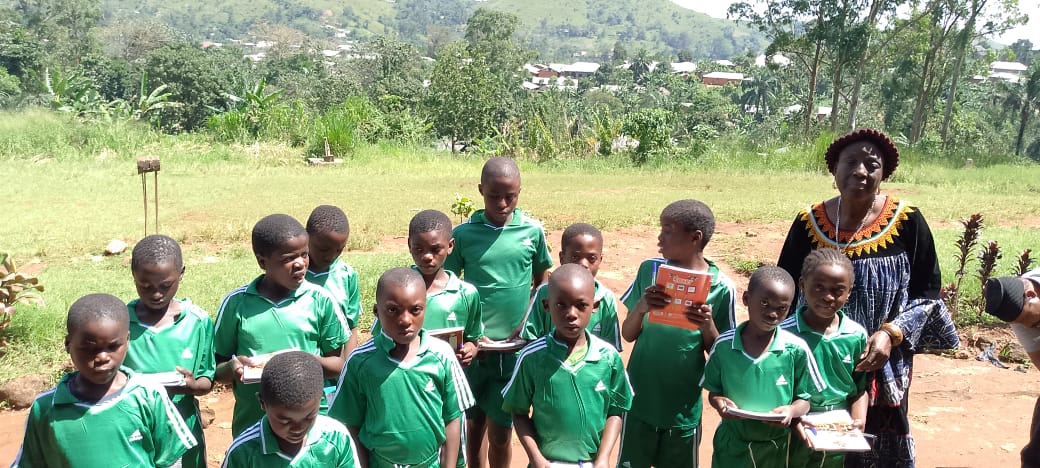
Cameroon shows how AIDS can affect community life under already difficult conditions. In rural and conflict-affected settings, households may be navigating poverty, displacement, interrupted schooling, and weak local services at the same time. When HIV-related orphanhood is added to that mix, the strain on caregivers and community institutions becomes more severe. A family that was already economically thin may suddenly be responsible for more children, more school costs, and more health needs.
The cultural effect is often visible in how care is redistributed. Grandmothers, aunts, churches, community-based organizations, and informal women’s groups often become the structures that hold children in place. In parts of Cameroon, this local response is not optional. It is what prevents total breakdown. At the same time, instability can weaken the very community systems that children need most. That is why support in Cameroon has to be local, relational, and practical, especially where stigma, conflict pressure, and poverty overlap.
Kenya: Community Networks and Local Adaptation
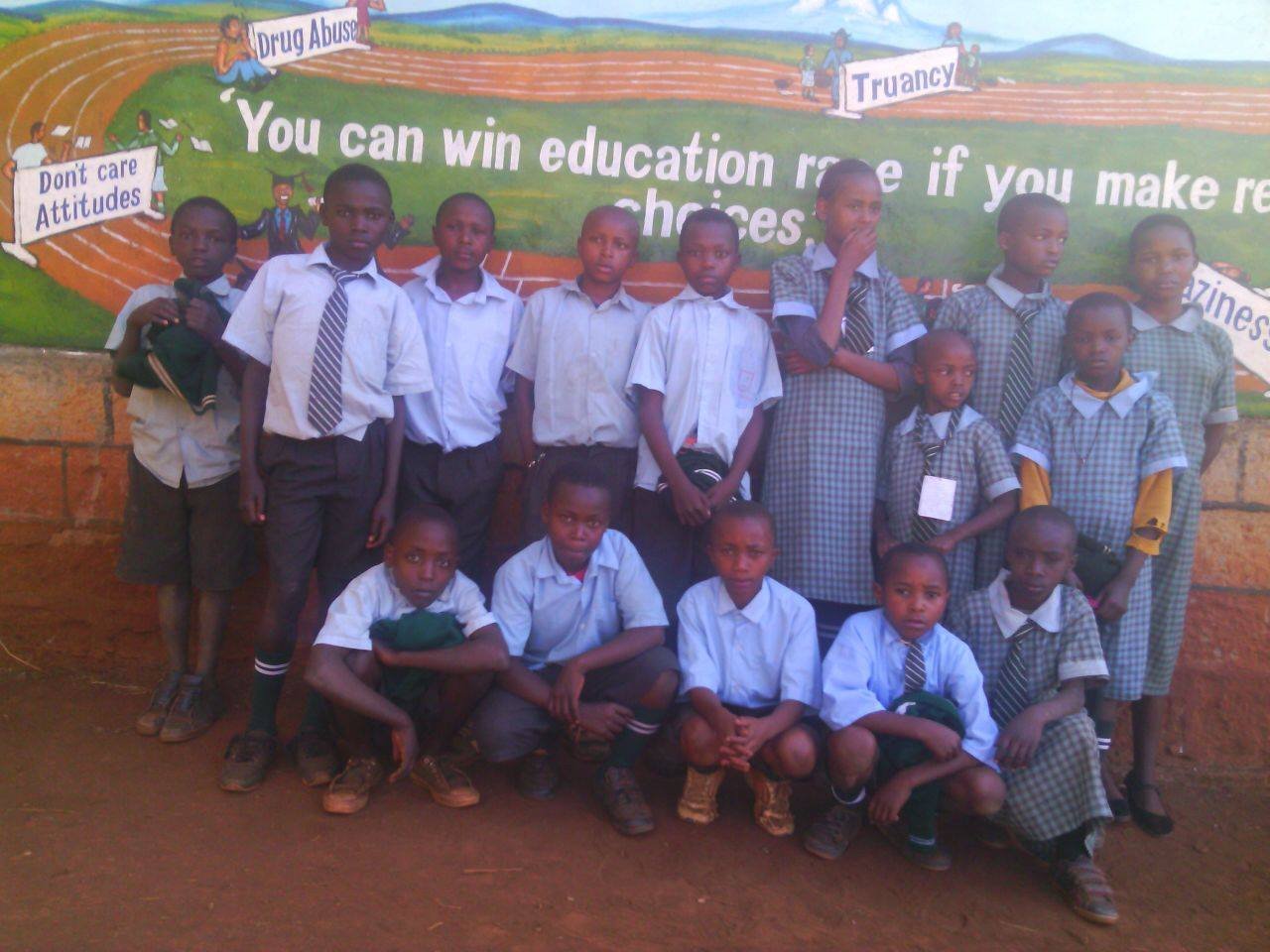
Kenya illustrates a different, though related, pattern. In many Kenyan communities, schools, churches, women’s groups, youth groups, and community health volunteers already play visible roles in household support. That means the impact of AIDS is often mediated through local networks rather than only through formal institutions. When those networks are active, they can help families stay connected to school, counseling, social protection, and community accountability even after major household loss.
Kenya also shows how the social effects of HIV are shaped by inequality. Some communities have stronger referral systems and more organized local support than others. In higher-burden and lower-income areas, households caring for orphaned children may still face severe pressure around school continuity, food costs, adolescent support, and stigma. What stands out in Kenya is that community response often determines whether children remain anchored in everyday life or drift toward long-term exclusion. Where local support is organized, the cultural damage of loss is not erased, but it is less likely to become total isolation.
Examples From Other African Regions
Across southern, eastern, western, and central Africa, the pattern is similar even when local culture differs. Communities affected by AIDS often experience a transfer of care duties to older women, a rise in household dependency ratios, disruption in school participation, and a greater role for faith-based and informal support structures. In some regions, funerals and mourning practices have had to adapt to repeated loss. In others, local advocacy and treatment access have reduced open panic but not the long-term social burden carried by orphaned children and caregivers.
These differences matter because they show there is no single African experience of AIDS. What is shared is the way the epidemic pressures family systems and community resilience. What varies is how local cultures absorb that pressure, whether through silence, mutual aid, extended family care, school support, or community-led organizing.
What Strong Community Responses Usually Look Like
Caregiver support that helps grandparents, relatives, and foster households meet school, food, and health needs.
School-linked follow-up so children do not quietly disappear after bereavement or household disruption.
Faith and community leadership that actively reduces stigma instead of reinforcing secrecy and blame.
Women’s groups, savings circles, or local associations that stabilize household pressure for caregivers.
Psychosocial and social-support systems that help children process grief while staying connected to everyday life.
Community-based organizations that know local families well enough to identify risk early and respond credibly.
FAQ About the Community and Cultural Impact of AIDS in Africa
Why is AIDS considered a cultural issue as well as a health issue?
Because it changes family roles, mourning, caregiving, stigma, social inclusion, and the way communities distribute responsibility after loss.
The impact is visible not only in clinics but in homes, schools, churches, and local support networks.
Why highlight Cameroon and Kenya?
Cameroon shows how HIV-related vulnerability can deepen in rural and fragile settings where conflict, poverty, and weak service access already strain families.
Kenya shows how strong local networks can help communities absorb loss more effectively and keep children connected to support.
What helps communities respond well to AIDS-related orphanhood?
Local support works best when it combines caregiver help, school continuity, stigma reduction, psychosocial support, and practical community accountability.
Children are more protected when the wider community remains involved instead of leaving households to cope alone.
Why This Deserves More Attention
The community and cultural impact of AIDS across Africa deserves more attention because the long-term damage often becomes normalized. A child staying silent in class after losing a parent, a grandmother carrying school costs she cannot afford, or a household withdrawing from community life may not look like a public-health emergency, but it is part of the epidemic’s ongoing social cost. The burden remains visible in community structures, even when treatment access has improved.
For Cameroon, Kenya, and many other African contexts, the lesson is clear. The most effective response is not only clinical. It is communal. Children affected by AIDS need communities that can absorb loss without abandoning them, and cultures that make room for dignity, support, and continuity after bereavement. That is where long-term resilience begins.
Related Reading
Continue Exploring
Research & Insights
Legal Rights and Protections for AIDS Orphans in Africa
AIDS orphans in Africa need more than care alone. They need enforceable rights to legal identity, family-based care, inheritance, and protection from abuse, with Cameroon and Kenya showing where those systems work and where gaps remain.
Case studies and success stories from Africa show how AIDS orphans can overcome grief, poverty, school disruption, and social isolation when effective interventions are practical, local, and sustained.
Sustainable solutions for orphan care in Africa depend on long-term community systems, caregiver support, education continuity, and accountable local partnerships, with special emphasis on Cameroon and Kenya.
Support local, community-based responses that help children, caregivers, and vulnerable households remain connected to school, care, dignity, and cultural belonging.