East Cameroon Data Snapshot: Access, Attendance, and Results
Back to blogs

East Cameroon Data Snapshot: Access, Attendance, and Results

FADOA Programs TeamJun 20, 20245 min readResearch & Insights

Context and Access Constraints

  • Long travel distances and transport costs reduce regular school attendance, especially for younger learners.
  • Household income volatility increases term-to-term disruption for fees, uniforms, and learning supplies.
  • Caregiver burden and protection concerns can delay re-entry after short attendance breaks.

What Early Results Suggest

Early implementation notes indicate that attendance stabilizes when support is timed to known school bottlenecks: term start, exam-fee windows, and re-entry points after absence. The strongest signals are seen where school focal persons and community partners coordinate quickly on follow-up.

What Donor Support Enables in Practice

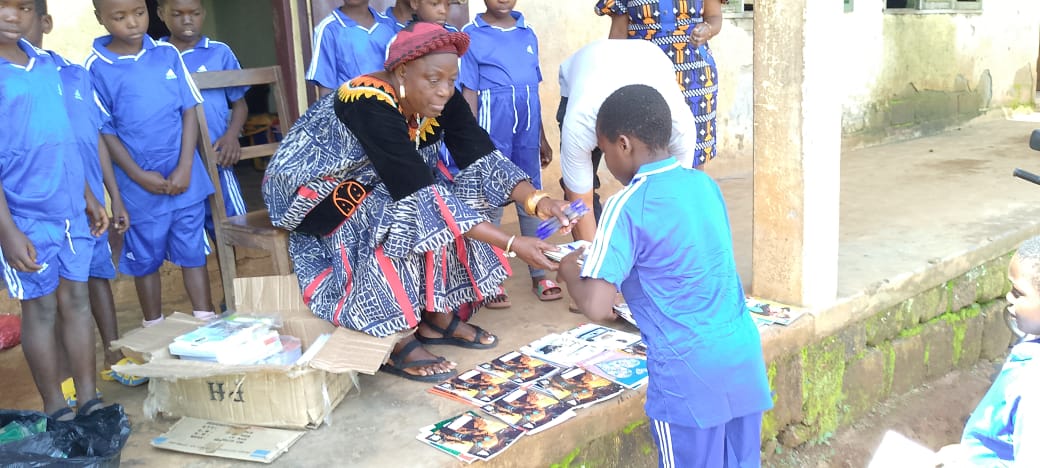
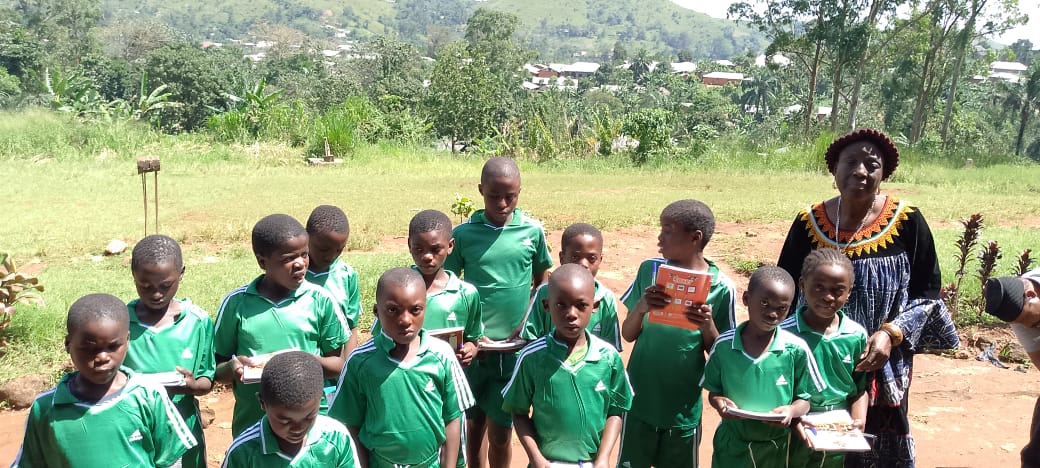
  • Targeted education inputs (uniforms, supplies, exam-related costs) delivered before attendance disruption compounds.
  • Structured follow-up between caregivers, community partners, and school focal points.
  • Basic protection-aware case handling for children at risk of prolonged absence.

Accountability and Data Quality

  • Monitoring emphasizes practical indicators donors can use: attendance continuity, re-entry timing, and term-to-term retention.
  • Program notes are triangulated with school records where available, with exceptions documented.
  • Child-facing reporting is aggregated and privacy-protective, aligned with child-safeguarding and responsible-data standards [1][2].

Methods and Limitations

This is a methods-light program snapshot, not a causal impact evaluation. Findings are intended for operational decision-making: prioritizing which barriers to remove first, where follow-up capacity is sufficient, and how to sequence support for continuity.

Endnotes

  • [1] UNICEF & GovLab - Responsible Data for Children (RD4C) Principles. Learn more
  • [2] UNICEF - Policy on Safeguarding (2024). Learn more
  • [3] UNAIDS - Children and HIV overview. Learn more
  • [4] World Bank - Education overview (barriers and participation context). Learn more

Related Reading

Continue Exploring

Case Studies and Success Stories from Africa
Research & Insights

Case Studies and Success Stories from Africa

Case studies and success stories from Africa show how AIDS orphans can overcome grief, poverty, school disruption, and social isolation when effective interventions are practical, local, and sustained.

Read more
Sustainable Solutions for Orphan Care in Africa
Research & Insights

Sustainable Solutions for Orphan Care in Africa

Sustainable solutions for orphan care in Africa depend on long-term community systems, caregiver support, education continuity, and accountable local partnerships, with special emphasis on Cameroon and Kenya.

Read more
Role of NGOs and Governments in Africa
Research & Insights

Role of NGOs and Governments in Africa

The role of NGOs and governments in Africa is central to protecting AIDS orphans through education, health access, child protection, and social support, with important lessons from Cameroon and Kenya.

Read more

Take Action

Support reliable, local delivery that removes school-access barriers and protects learning continuity for vulnerable children in East Cameroon.

Support Our Work