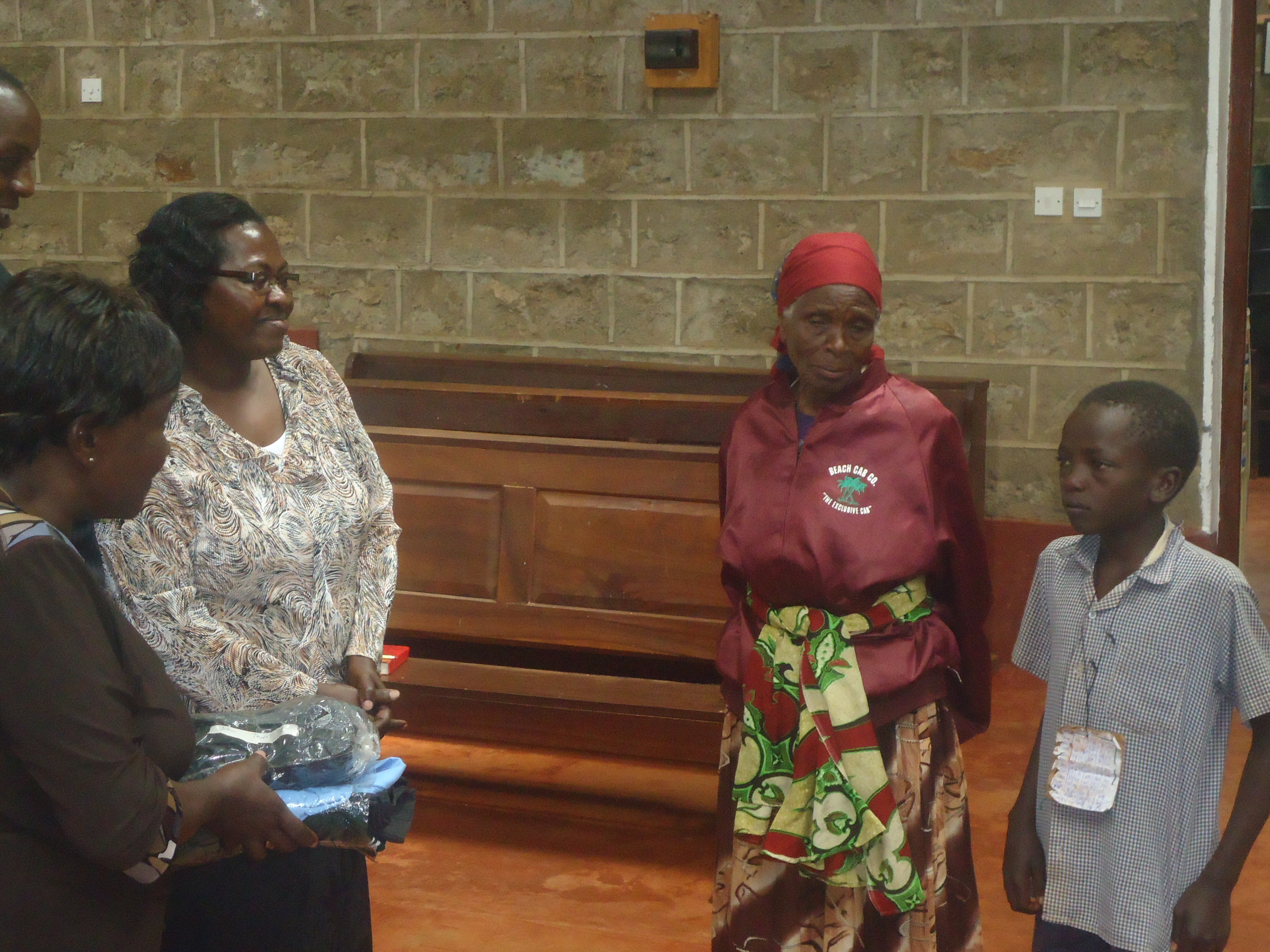
Education for AIDS Orphans in Africa: Why Cameroon and Kenya Need Targeted School Support
FADOA Research TeamApr 1, 20267 min readResearch & Insights
Why Education Matters for AIDS Orphans in Africa
When a child loses one or both parents to AIDS-related illness, school often becomes fragile very quickly. Fees go unpaid. Uniforms and books become unaffordable. A child may move into a new household, take on domestic work, or miss class because the nearest school is too far away to reach consistently. Education is therefore more than classroom instruction. It is often the main structure that keeps a child connected to daily routine, adult support, peer relationships, and long-term opportunity.
For AIDS orphans, staying in school can reduce exposure to early labor, exploitation, social isolation, and preventable dropout. It can also improve health literacy, confidence, and future earning power. Across Africa, the case for educational support is straightforward: when children remain enrolled and engaged, their chances of stability improve. When schooling breaks down, vulnerability deepens.
Barriers to Education for AIDS Orphans
School costs: even where tuition is limited or waived, uniforms, books, exam fees, transport, and meals can still keep children out of class.
Caregiver instability: after bereavement, children may move between relatives or enter overstretched households that cannot reliably support attendance.
Stigma and grief: children affected by HIV may experience shame, bullying, withdrawal, or untreated trauma that makes regular learning harder.
Household labor: older children are often expected to care for siblings, farm, fetch water, or earn income instead of attending school consistently.
Distance and insecurity: rural travel, conflict disruption, or unsafe routes can turn a nearby school on paper into an inaccessible school in practice.
Weak follow-up systems: when a child misses class repeatedly, many schools do not have the time or resources to trace the problem early.
Why Educational Programs Matter Across the Continent
Educational programs work because they solve the practical reasons children leave school. A sponsorship that covers fees without helping with uniforms or transport may not be enough. A school-materials program without caregiver follow-up may help briefly but fail at re-enrollment. The strongest models combine direct education support with local oversight, child protection, and regular follow-through.
Across Africa, that usually means working at several levels at once: reducing the cost of attendance, equipping caregivers to keep children enrolled, and partnering with local schools that can spot problems before a pupil disappears from class. For donors and community organizations, this is where educational programs become transformative. They do not simply fund school items. They hold together the conditions a child needs in order to learn.
The Case for Cameroon
In Cameroon, the education challenge for vulnerable children is shaped by uneven household income, rural distance, and disruption in the North-West and other fragile settings. For an AIDS orphan, these pressures stack quickly. A child may already be grieving and living in a strained caregiver household; if transport is expensive, school supplies are missing, or local instability interrupts routine, attendance becomes highly vulnerable.
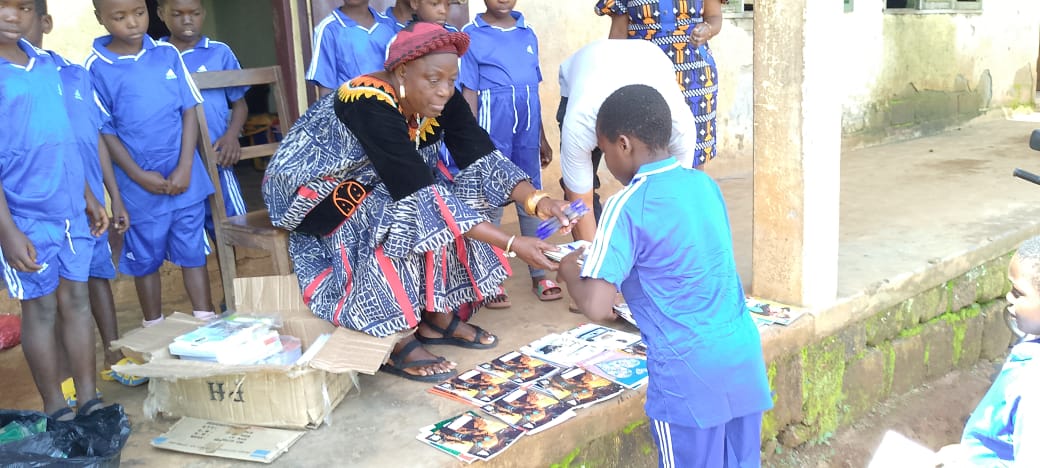
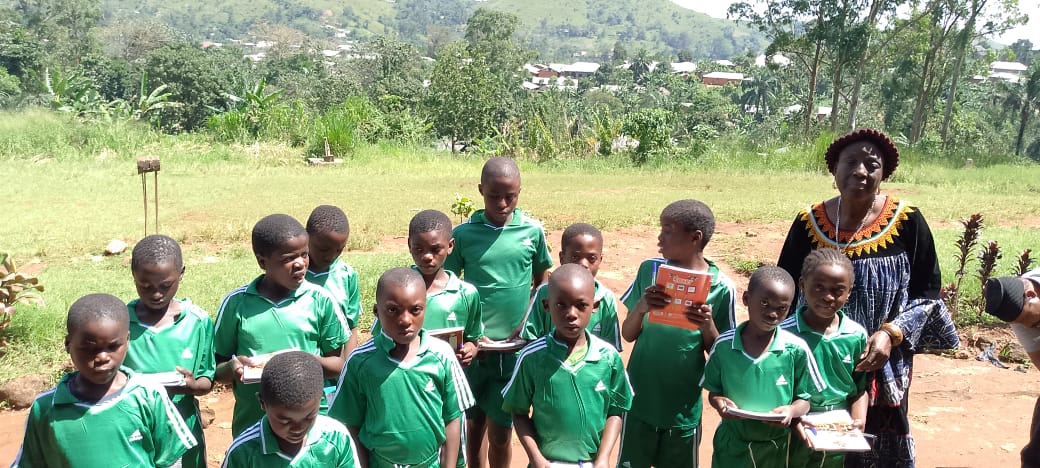
This is why education support in Cameroon has to be practical and local. School materials, uniforms, term-start fee assistance, and trusted community follow-up can make the difference between a child returning to class or disappearing from the system. Programs are strongest when they work with caregivers and local partner organizations that understand which children are at risk before dropout becomes permanent.
The Case for Kenya
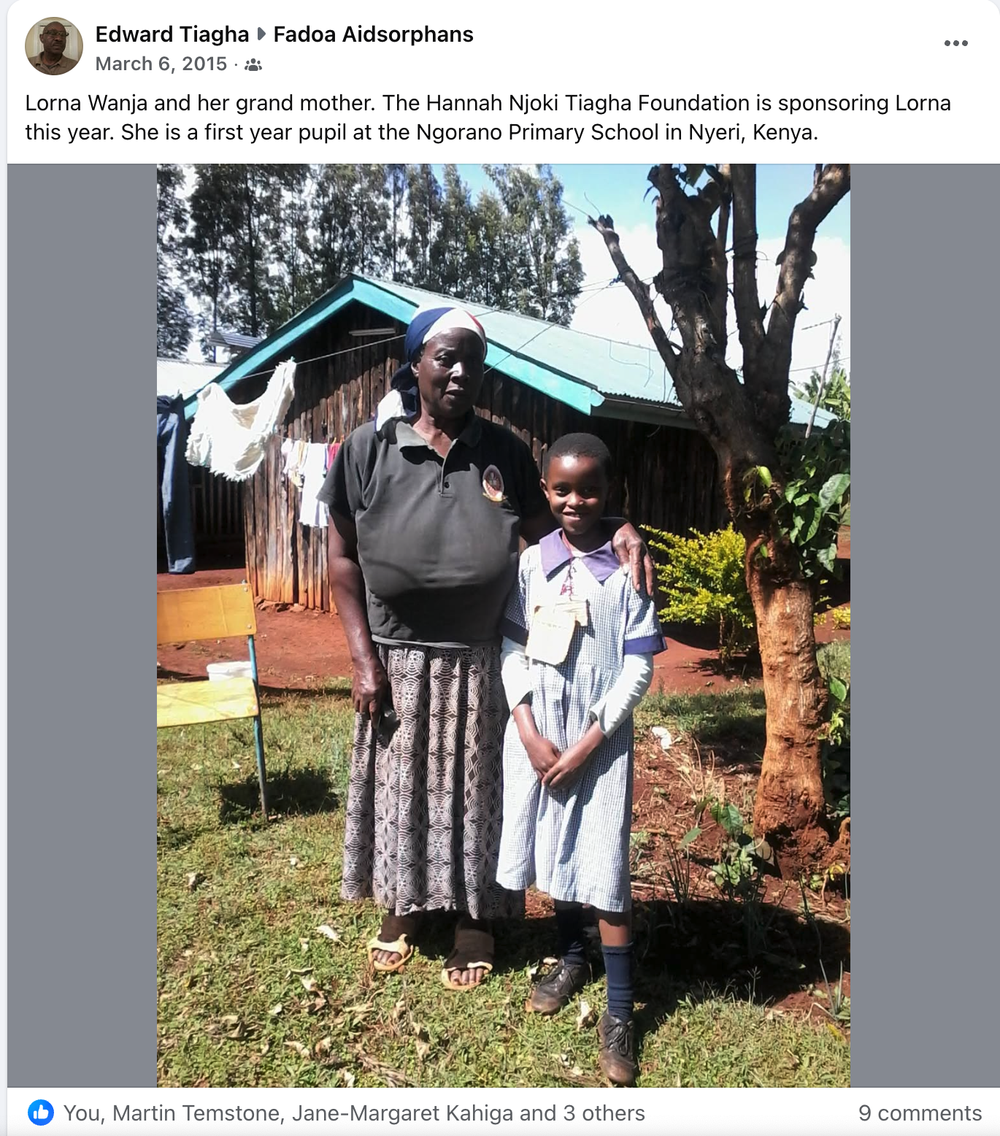
Kenya offers a different but equally important case. The country has stronger education and community support networks in many areas, yet orphaned children still face serious inequality tied to poverty, household instability, and regional variation. For children affected by HIV, the challenge is not only getting into school. It is staying there with enough support to keep learning consistently.
In Kenya, effective educational programs often need to bridge the gap between school enrollment and day-to-day retention. That means helping with uniforms, exam readiness, attendance monitoring, mentorship, and coordination with caregivers. For AIDS orphans, these small interventions are often the practical difference between sporadic attendance and sustained progress.
What Strong Education Programs Actually Provide
School fees or fee-gap assistance where cost remains a barrier.
Uniforms, shoes, books, and learning materials at the start of term.
Attendance follow-up when a child misses class repeatedly.
Caregiver engagement so adults understand the child’s school needs and calendar.
Mentorship and psychosocial support for children carrying grief, stigma, or instability.
Local partnership with schools, churches, and community groups that can verify needs and monitor outcomes.
Why This Matters to Donors and Local Partners
Education is one of the few interventions that produces immediate protection and long-term opportunity at the same time. In the short term, it keeps children connected to safe adults, structured routines, and peer support. Over time, it improves literacy, employability, and the child’s ability to build a more stable life than the one shaped by early bereavement.
For donors, the logic is clear: targeted education support is measurable, practical, and deeply protective. For local partners, it is one of the most effective ways to identify risk early and respond before a child is pushed further to the margins. In both Cameroon and Kenya, educational programs matter because they turn concern into continuity.
FAQ About Education for AIDS Orphans in Africa
Why are AIDS orphans more likely to leave school?
They are more likely to face caregiver loss, poverty, grief, unstable housing, and added household duties after a parent dies.
Those pressures make attendance and learning harder even when a school is technically available.
Why focus on Cameroon and Kenya?
Both countries show why local context matters: children face different combinations of poverty, geography, instability, and support-system gaps.
They illustrate the need for education programs that are practical, community-linked, and designed for retention rather than enrollment alone.
What kind of support is most effective?
The best programs combine school costs, learning materials, caregiver follow-up, and local monitoring.
Children stay in school more reliably when education support is paired with consistent community accountability.
Related Reading
Continue Exploring
Research & Insights
Legal Rights and Protections for AIDS Orphans in Africa
AIDS orphans in Africa need more than care alone. They need enforceable rights to legal identity, family-based care, inheritance, and protection from abuse, with Cameroon and Kenya showing where those systems work and where gaps remain.
Case studies and success stories from Africa show how AIDS orphans can overcome grief, poverty, school disruption, and social isolation when effective interventions are practical, local, and sustained.
Sustainable solutions for orphan care in Africa depend on long-term community systems, caregiver support, education continuity, and accountable local partnerships, with special emphasis on Cameroon and Kenya.