Healthcare Access Issues for AIDS Orphans in Africa
FADOA Research TeamMar 31, 20267 min readResearch & Insights
This article explains what those healthcare access issues look like, why orphans face a harder path than other children, and how conditions differ across countries such as South Africa, Kenya, the Democratic Republic of the Congo, and Nigeria. New caregivers often step in with love but with limited cash, incomplete records, and their own health burdens. In that setting, access is measured less by whether a service exists on paper and more by whether a child can reach it consistently and safely.
Why Healthcare Access Issues for AIDS Orphans in Africa Are So Persistent
Children affected by HIV still face a treatment gap compared with adults. CDC notes that in 2023 only 57 percent of children living with HIV were receiving treatment, compared with 77 percent of adults.[2] That gap becomes more dangerous after bereavement because treatment adherence, early diagnosis, and follow-up care usually depend on adults who can navigate health systems over time. If that adult is gone, even basic continuity can collapse.
For AIDS orphans, the healthcare problem is rarely clinical alone. Missed appointments may begin with transport costs, food insecurity, grief, stigma, household moves, or lack of legal documentation. UNICEF describes orphans and other vulnerable children as more likely to miss schooling, live with less food security, and experience anxiety or depression, all of which affect care-seeking and treatment retention.[1] A stronger response therefore has to connect health care with social welfare, caregiver support, and child protection rather than treating each one as a separate program.
Why Country Conditions Change Healthcare Access
Across Africa, the same child-level needs meet very different national realities. In South Africa, for example, the challenge is not the absence of a national HIV system but the scale of the burden and the urgency of bringing more people into continuous treatment. On 25 February 2025, UNAIDS highlighted South Africa’s plan to put an additional 1.1 million people living with HIV on treatment by the end of 2025, a sign of both stronger system capacity and the size of the work still left to do.[3] For orphaned children, a larger treatment platform can improve access, but only if pediatric follow-up and family-level support keep pace.
Kenya presents a different picture. UNICEF Kenya describes notable progress in reducing the number of children living with HIV between 2010 and 2020, while also pointing to persistent county-level inequalities, adolescent risk, poverty, and difficulties in accessing services in high-burden areas such as Homa Bay.[4] In practical terms, that means some children live near stronger referral and treatment systems while others still face long travel times, unstable household resources, and uneven adolescent-friendly care.
In the Democratic Republic of the Congo, household fragility and case-management needs are especially visible. CDC reported on 26 November 2024 that its PEPFAR-supported OVC program in DRC was supporting approximately 13,500 children and adolescents and their families, including about 4,000 children and adolescents living with HIV.[5] The program description is revealing because it does not focus on medicines alone. It combines health, psychosocial, safety, and economic support, which is often what real access requires in lower-capacity or unstable settings.
Nigeria shows another variation: large need, major regional differences, and growing vulnerability to service disruption. On 27 March 2025, UNAIDS reported that some community-based HIV service points in Nigeria were already facing serious interruptions, including disruptions to wraparound services and services for orphans and vulnerable children that could affect children living with HIV.[6] Where access depends heavily on community health workers and externally supported delivery channels, orphaned children can lose continuity very quickly even when medicine stocks have not yet fully run out.
Why Orphans Face a Harder Path Than Other Patients
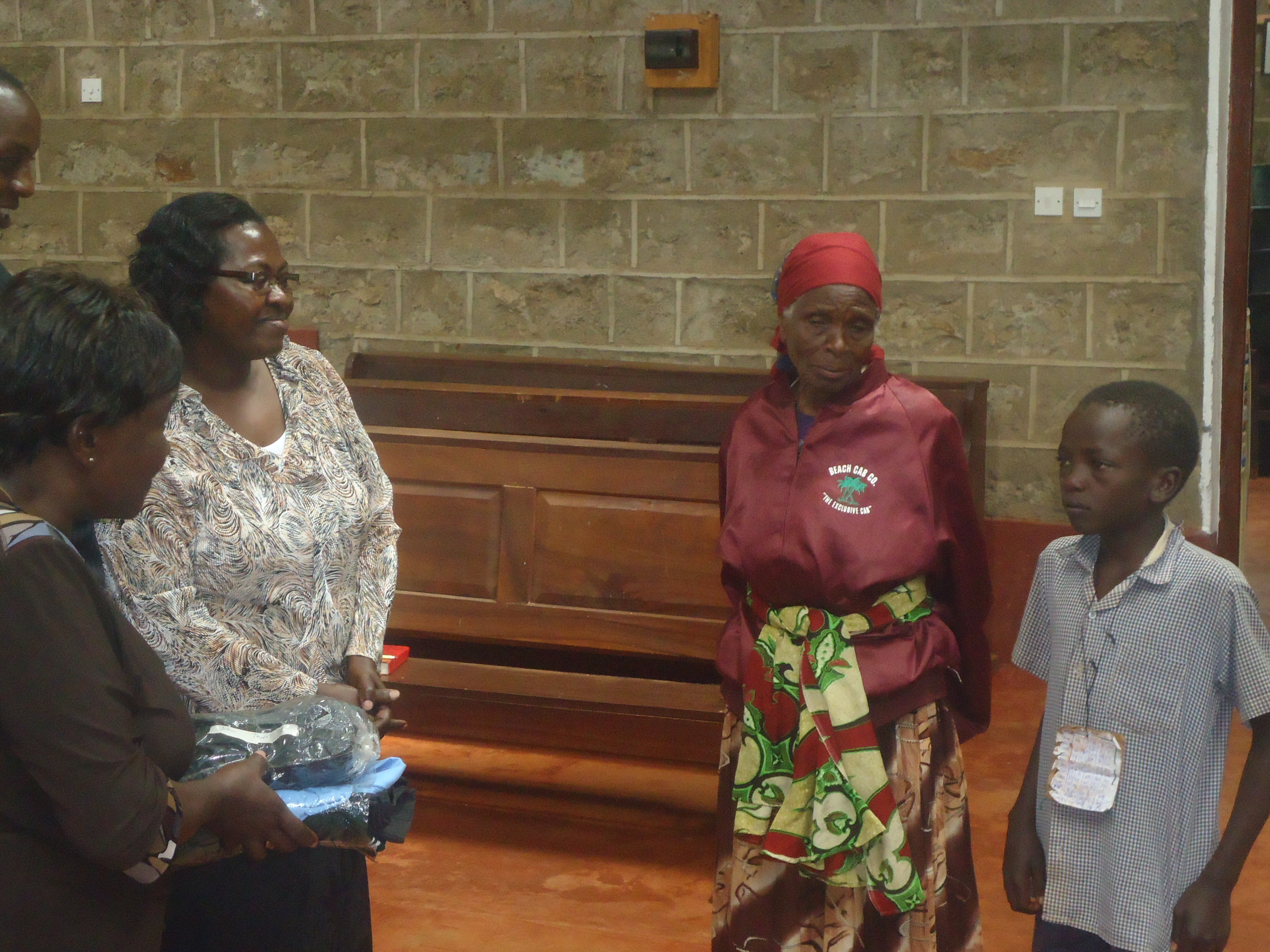
Orphaned children often have to move through health systems without the stable adult advocacy that other children rely on. A grandmother may not know a child’s prior treatment history. An older sibling may choose between earning money and accompanying a younger child to clinic. A foster household may delay testing because it fears stigma, family conflict, or one more unaffordable obligation. These are not edge cases. They are common ways that care breaks down after family loss.
This is also why the phrase healthcare access can be misleading if it is used too narrowly. Access includes early infant diagnosis, pediatric treatment, immunization, mental health support after bereavement, sexual and reproductive health counseling for adolescents, and routine care for common illness. It also includes whether a child is treated respectfully once they arrive. HIV-related stigma still changes how willing families are to seek testing, disclose status, return for follow-up, or remain visible inside a community system.[6]
What Better Support Looks Like Across Countries
Integrated primary care: HIV services work better for vulnerable children when they are linked with routine child health, nutrition, and school-health referral pathways.
Case management for the household, not only the child: caregivers often need help with transport, paperwork, school continuity, and follow-up planning.
Local adaptation: what works in a dense urban treatment network may fail in a conflict-affected or rural district with long distances and staff shortages.
Continuity planning: countries and partners need referral pathways and buffer systems so children do not lose care when funding, staffing, or community programs are disrupted.
Adolescent-safe services: teenagers need disclosure support, stigma reduction, and practical counseling that reflect how orphanhood changes decision-making and risk.
Why This Matters to Donors
For donors, the lesson is practical. Healthcare access improves when support closes the distance between a child and the system that is supposed to help them. That may mean transport assistance, caregiver accompaniment, school-linked case follow-up, community health worker support, nutrition help that makes treatment adherence possible, or better referral tracking between clinics and social services. These are not side issues around HIV care. They are often the difference between formal coverage and actual survival.
How Strong Programs Check Accountability
The most credible programs also check whether those links are working. They review missed appointments, trace broken referrals, identify where children disappear from care, and adapt to the local pattern rather than assuming every district faces the same barriers. That kind of accountability matters because conditions vary sharply across countries and even more sharply within them. Children do not experience systems at the national level. They experience them at the clinic gate, in the caregiver’s pocket, and on the walk home.
FAQ About Healthcare Access for AIDS Orphans in Africa
Why do country conditions matter so much?
Because treatment infrastructure, funding stability, geography, conflict exposure, and local workforce capacity differ widely across countries.
A child may face very different odds of staying in care in South Africa, Kenya, Nigeria, or the DRC even when the underlying need is similar.
Why are orphans especially vulnerable to treatment interruption?
They may lose the adult who managed clinic visits, records, transport, and medicine routines.
New caregivers often inherit responsibility without enough money, information, or time to maintain consistent follow-up.
What kind of support improves access most reliably?
Programs work best when they combine pediatric HIV care with caregiver support, school continuity, psychosocial services, and practical case management.
The goal is to remove the everyday barriers that keep children from turning available services into real care.
Endnotes
[1] UNICEF Data - AIDS-Related Orphanhood. Learn more
[2] CDC - Prioritizing Maternal and Child Health. Learn more
[3] UNAIDS - South Africa treatment expansion initiative, 25 February 2025. Learn more
[5] CDC - Finding Stability: Orphans and Vulnerable Children in the DRC. Learn more
[6] UNAIDS - Impact of US funding cuts on HIV programmes in Nigeria, 27 March 2025. Learn more
Related Reading
Continue Exploring
Research & Insights
Legal Rights and Protections for AIDS Orphans in Africa
AIDS orphans in Africa need more than care alone. They need enforceable rights to legal identity, family-based care, inheritance, and protection from abuse, with Cameroon and Kenya showing where those systems work and where gaps remain.
Case studies and success stories from Africa show how AIDS orphans can overcome grief, poverty, school disruption, and social isolation when effective interventions are practical, local, and sustained.
Sustainable solutions for orphan care in Africa depend on long-term community systems, caregiver support, education continuity, and accountable local partnerships, with special emphasis on Cameroon and Kenya.
Support practical, local systems that help children and caregivers reach treatment, routine care, and school stability before small barriers become lifelong setbacks.