Nutrition, Attendance, and Wellbeing: Community Feeding Models that Work
Back to blogs

Nutrition, Attendance, and Wellbeing: Community Feeding Models that Work

FADOA Programs TeamJul 18, 20245 min readResearch & Insights

Why This Matters for Donors

Uniforms and fees help children enter school, but daily attendance often depends on what happens before first lesson. Community feeding models reduce the day-to-day pressure that causes absenteeism and create a more stable learning routine for children and caregivers.

What Community Feeding Changes

  • Improves school-day readiness so learners can focus and participate.
  • Supports more consistent attendance, especially during financially difficult periods.
  • Reduces short-term stress on caregivers balancing food and education costs.
  • Reinforces child wellbeing and dignity through predictable, community-based support.

What Your Support Funds

  • Locally coordinated meal planning and sourcing with community partners.
  • Simple delivery routines aligned to school days and attendance needs.
  • Basic monitoring tools that link feeding days to attendance follow-up.
  • Training and oversight so volunteers and staff operate with child-safe practices.

How We Hold Ourselves Accountable

  • Schools and focal staff track attendance patterns alongside feeding schedules.
  • Program teams review implementation regularly with community partners.
  • Safeguarding and consent protocols apply to all stories, photos, and child data.
  • Reporting to supporters uses aggregated information to protect children while showing progress.

A Field-Level Example

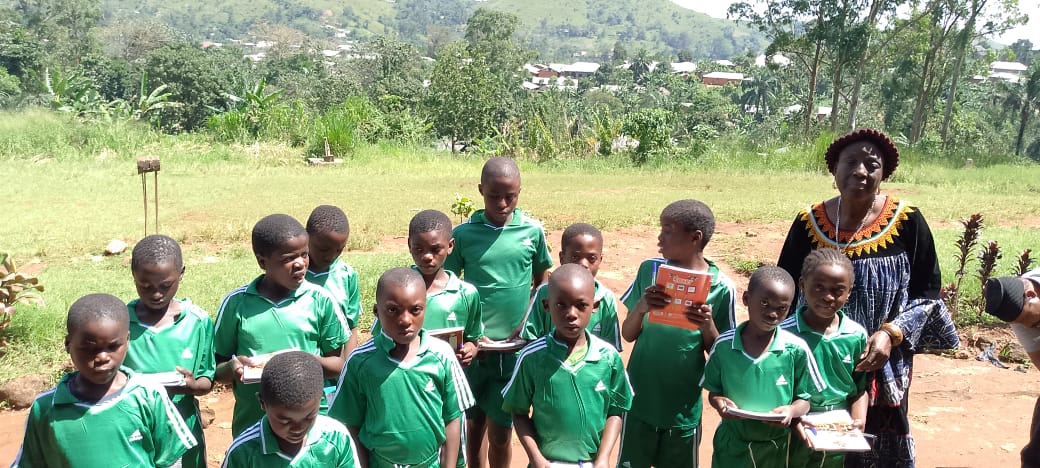
In one partner setting, staff observed that pupils who frequently missed early classes re-engaged more consistently once meal support became predictable. Combined with caregiver check-ins, this helped stabilize attendance and classroom participation over the term.

Endnotes

  • [1] World Food Programme - School Meals and learning outcomes. Learn more
  • [2] UNICEF - Child nutrition overview and program guidance. Learn more
  • [3] FAO - School food and nutrition framework. Learn more
  • [4] WHO - Malnutrition overview and health implications. Learn more

Related Reading

Continue Exploring

Case Studies and Success Stories from Africa
Research & Insights

Case Studies and Success Stories from Africa

Case studies and success stories from Africa show how AIDS orphans can overcome grief, poverty, school disruption, and social isolation when effective interventions are practical, local, and sustained.

Read more
Sustainable Solutions for Orphan Care in Africa
Research & Insights

Sustainable Solutions for Orphan Care in Africa

Sustainable solutions for orphan care in Africa depend on long-term community systems, caregiver support, education continuity, and accountable local partnerships, with special emphasis on Cameroon and Kenya.

Read more
Role of NGOs and Governments in Africa
Research & Insights

Role of NGOs and Governments in Africa

The role of NGOs and governments in Africa is central to protecting AIDS orphans through education, health access, child protection, and social support, with important lessons from Cameroon and Kenya.

Read more

Take Action

Support community feeding that helps children come to school ready to learn, remain in class, and thrive.

Support Our Work