
Programs
Nutrition and Food Security in Africa
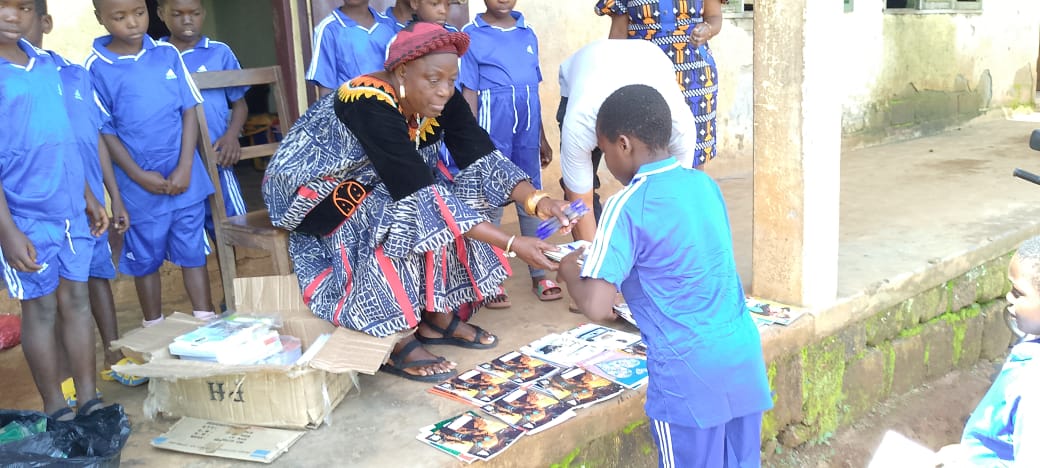
Examining the challenges of nutrition and food security for AIDS orphans across Africa, with a close look at programs addressing these needs in Cameroon and Kenya.
Read more
Awareness is not only about visibility. It is about building the kind of informed public attention that leads to action. Advocacy then turns that attention into stronger community support, better local coordination, more responsible funding, and clearer pressure on institutions to protect vulnerable children. Across Africa, effective advocacy helps move the conversation away from pity and toward practical support that keeps children safe, educated, and connected to trusted adults.
Many people care about children affected by HIV, but public understanding is often incomplete. The needs of AIDS orphans do not end with bereavement. Children may face disrupted schooling, food insecurity, weak access to health services, stigma, unstable housing, and pressure on grandparents or relatives who are trying to care for them with very limited means. Awareness campaigns help communities, donors, schools, and local leaders understand that orphan support requires steady follow-through rather than occasional sympathy.
Success Story
The strongest campaigns do more than tell emotional stories. They direct people toward specific, accountable actions such as supporting school continuity, strengthening caregivers, funding local follow-up, and backing child-protection work.
Advocacy matters because vulnerable children do not automatically receive the attention they need from public systems, local authorities, or even well-meaning communities. A child may be eligible for school support on paper and still miss class because uniforms are unaffordable. A caregiver may know a clinic exists and still fail to reach it because transport costs are too high. Advocacy keeps those gaps visible and pushes for practical responses.
For AIDS orphans, advocacy can happen at several levels at once. It may involve local leaders speaking openly about stigma, teachers noticing when a child is absent repeatedly, church groups organizing household support, community-based organizations documenting unmet needs, or donors choosing programs that are transparent about outcomes. Good advocacy is not abstract. It is grounded in the ordinary obstacles that push children out of school and out of stable care.
In Cameroon, especially in rural and fragile settings, AIDS orphans can become invisible quickly when support systems are thin. Families may be spread across long distances, household income can be unstable, and local disruptions can make it harder for children to stay connected to school and support services. In that environment, public awareness campaigns are most useful when they stay close to community reality and help people understand what vulnerability looks like in practice.
Advocacy in Cameroon often needs to emphasize practical school continuity, caregiver strain, and the importance of trusted local follow-up. When communities, schools, churches, and local organizations speak consistently about the needs of orphaned children, they make it more likely that a struggling household is noticed before a child drops out completely. That kind of grounded advocacy is especially important in areas where formal services may be uneven or hard to reach.
Kenya offers another important advocacy lesson. In many Kenyan communities, schools, faith networks, women’s groups, and local child-focused organizations already play visible roles in supporting vulnerable families. That creates a stronger platform for awareness campaigns that connect public concern with practical follow-up. Advocacy can move faster when there are trusted community structures ready to respond.
For Kenya, effective advocacy often means linking awareness to school retention, adolescent support, caregiver coordination, and community responsibility. The goal is not just to tell people that orphaned children need help. It is to organize community attention in a way that helps children remain in class, stay connected to care, and avoid being lost between households, schools, and public systems.
People often assume advocacy is only for large organizations or public figures. In reality, the most useful advocacy for AIDS orphans often starts with practical, repeatable action. The key is to support work that strengthens families, schools, and local organizations instead of creating short-lived attention with no follow-through.
FADOA readers can help by supporting practical interventions that keep children in school, strengthen caregivers, and improve day-to-day stability in communities affected by HIV and poverty. That support matters in Cameroon, Kenya, and other areas where small disruptions can quickly become long-term setbacks for vulnerable children. Public awareness is strongest when it leads to reliable action, and advocacy is strongest when it stays connected to what children actually need.
Public awareness and advocacy in Africa should ultimately do one thing well: make sure AIDS orphans are not left to carry grief, poverty, and exclusion alone. When communities pay attention, when donors support accountable local work, and when advocates keep children visible in public conversation, more children have a real chance to stay safe, remain in school, and build a stable future.
Related Reading
Examining the challenges of nutrition and food security for AIDS orphans across Africa, with a close look at programs addressing these needs in Cameroon and Kenya.
Read more
AIDS orphans in Africa need more than care alone. They need enforceable rights to legal identity, family-based care, inheritance, and protection from abuse, with Cameroon and Kenya showing where those systems work and where gaps remain.
Read morePartnerships with local organizations in Africa help AIDS orphans most when they strengthen trusted community systems, improve accountability, and adapt support to real needs in Cameroon and Kenya.
Read moreTake Action
Help FADOA strengthen public awareness, local advocacy, and practical support so AIDS orphans in Cameroon, Kenya, and similar communities can stay in school and connected to care.