The Intersection of HIV, Orphanhood, and Food Security
The connection between HIV and food insecurity is well-documented. As the disease impacts the primary earners in a family, agricultural productivity and wage-earning capacity decline. When children lose their parents to AIDS-related causes, they are often taken in by extended family members, such as aging grandparents or older siblings. These new caregivers frequently already struggle with poverty, meaning that the addition of orphaned children stretches limited household food resources even thinner.
Malnutrition weakens the immune system, making children more vulnerable to common illnesses.
Food insecurity often leads to school dropout, as children may need to work to find food or lack the energy to attend class.
Poor nutrition in early childhood can cause stunted growth and long-term cognitive deficits.
Cameroon: Rural Challenges and Community Responses
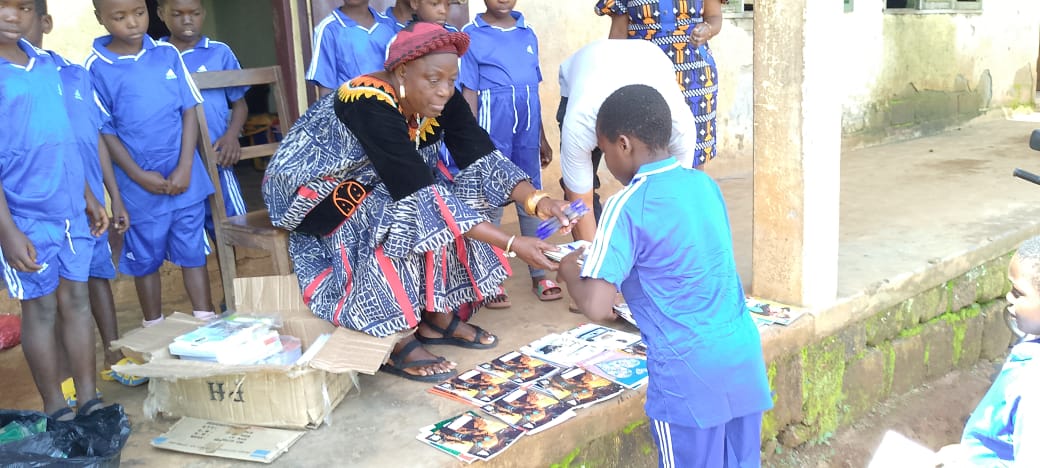
In Cameroon, particularly in rural and conflict-affected regions such as the North-West, food security is a daily challenge for households caring for AIDS orphans. Agricultural disruptions and economic instability make it difficult for families to maintain consistent food production. In these areas, the risk of malnutrition is high, and orphaned children are particularly vulnerable when caregivers are forced to ration meals.
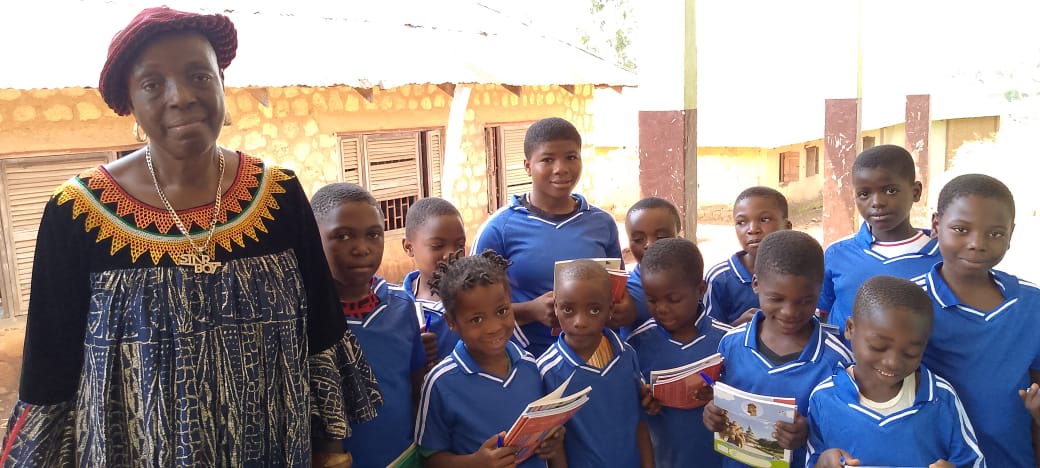
Local programs addressing these needs in Cameroon often focus on direct community support. Organizations work to provide emergency food rations, agricultural training for caregivers, and school feeding initiatives. By integrating food security measures with educational support, these programs ensure that children do not have to choose between finding their next meal and going to school.
Kenya: School Feeding and Caregiver Empowerment
In Kenya, the approach to supporting AIDS orphans often leverages strong community networks and school-based interventions. While many communities face challenges with drought and rising food costs, local organizations and faith-based groups play a critical role in identifying vulnerable households and providing nutritional support.
School feeding programs are particularly effective in Kenya. A guaranteed daily meal not only improves a child's nutritional status but also serves as a powerful incentive for school attendance. Additionally, programs that empower caregivers through micro-savings groups and agricultural cooperatives help build long-term food resilience for the entire household.
Effective Nutritional Interventions
School feeding programs that guarantee at least one nutritious meal a day.
Agricultural support and training for caregivers to improve household food production.
Emergency nutritional supplements for severely malnourished children.
Community-led monitoring to quickly identify households struggling with food insecurity.
Why Donor Support is Essential
Addressing nutrition and food security for AIDS orphans requires sustained, coordinated effort. Donor support is critical for scaling effective local programs that provide both immediate relief and long-term solutions. By funding school meals, caregiver agricultural training, and emergency food assistance, donors can directly impact the health, education, and future of vulnerable children in countries like Cameroon and Kenya.
Related Reading
Continue Exploring
Programs
Partnerships with Local Organizations in Africa
Partnerships with local organizations in Africa help AIDS orphans most when they strengthen trusted community systems, improve accountability, and adapt support to real needs in Cameroon and Kenya.
Fundraising and donation initiatives in Africa can better support AIDS orphans when donations strengthen school access, caregiver stability, health follow-up, and local accountability in Kenya and Cameroon.
Volunteer opportunities across Africa can help support AIDS orphans when they strengthen schools, caregivers, health outreach, and family-based care instead of short-term institutional placements.