Programs
Nutrition and Food Security in Africa
Examining the challenges of nutrition and food security for AIDS orphans across Africa, with a close look at programs addressing these needs in Cameroon and Kenya.
Read moreAcross Africa, the strongest fundraising models are usually not the loudest. They connect donated funds to clear local needs, trusted delivery partners, and follow-up that shows whether support reached the child. Kenya and Cameroon illustrate this well. Both countries have communities affected by HIV, poverty, and caregiver strain, but the best donation initiatives still differ because local systems, geography, and community networks are different.
AIDS orphan support is rarely one-dimensional. A child may need school fees, uniforms, books, food support, psychosocial care, transport to health appointments, and a caregiver who can keep the household stable. Fundraising works best when it reflects that reality instead of treating children’s needs as a single one-time expense.
Success Story
The safest fundraising message for donors is not “help children somehow.” It is a concrete promise tied to real delivery: keep a child in school this term, stabilize a caregiver household, fund follow-up for vulnerable children, or cover the essentials that prevent a crisis from becoming a permanent setback.
In Kenya, fundraising initiatives for AIDS orphans often work best when they build on existing community structures rather than bypassing them. Schools, faith communities, local child-protection actors, women’s groups, and household support networks can all help identify children at risk of dropping out and make sure donated support reaches the right need quickly.
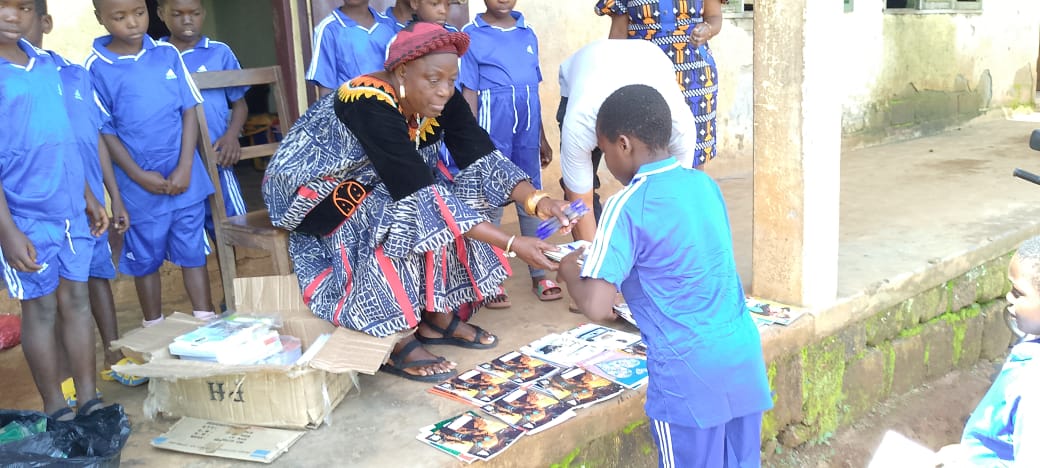
That makes education-centered fundraising especially effective in Kenya. A relatively modest donation can remove barriers that become decisive after the loss of a parent, such as uniforms, transport, exam costs, meals, or basic supplies. When fundraising is linked to attendance follow-up and caregiver communication, it does more than pay bills. It helps protect continuity.
In Cameroon, fundraising initiatives often need to solve a different operational problem: distance, fragility, and uneven access. Rural communities can face a combination of poverty, limited services, and transport barriers that make child support harder to deliver consistently. In those settings, donations need to move through trusted local relationships and practical field coordination.
That is why fundraising in Cameroon often benefits from campaigns that are tightly connected to local organizations, church networks, community leaders, and on-the-ground case monitoring. Donors are usually most helpful when they fund essentials with a clear implementation path, such as school materials, uniforms, food support, caregiver assistance, and direct help for children whose households are under severe strain.
Good fundraising is not only about bringing in money. It is about proving that support was translated into real protection for children. Accountability can include delivery records, caregiver check-ins, school verification, local partner oversight, and clear communication about what a donation can and cannot cover. This matters because AIDS orphan support is built on trust. Donors need confidence, and children need consistency.
For organizations working in Kenya and Cameroon, accountability also means adapting to local conditions. A school-based fundraising initiative may be easy to monitor in one area and harder in another. A donation model that works in an urban setting may break down in a remote village without transport support. Strong programs check those assumptions instead of treating fundraising as separate from implementation quality.
Fundraising and donation initiatives in Africa are strongest when they protect ordinary stability. For AIDS orphans, stability means staying connected to school, caregivers, food, health follow-up, and adults who keep showing up. Kenya and Cameroon show that the right fundraising approach depends on local realities, but the principle is the same in both places: donations should reduce pressure on children, strengthen the households around them, and remain accountable from appeal to delivery.
Related Reading
Examining the challenges of nutrition and food security for AIDS orphans across Africa, with a close look at programs addressing these needs in Cameroon and Kenya.
Read morePartnerships with local organizations in Africa help AIDS orphans most when they strengthen trusted community systems, improve accountability, and adapt support to real needs in Cameroon and Kenya.
Read more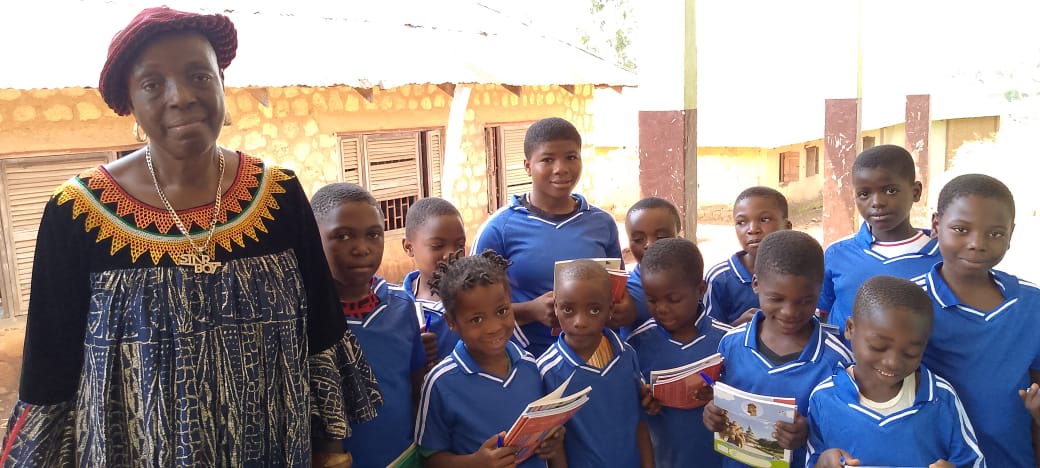
Volunteer opportunities across Africa can help support AIDS orphans when they strengthen schools, caregivers, health outreach, and family-based care instead of short-term institutional placements.
Read moreTake Action
Support accountable fundraising that helps AIDS orphans stay in school, remain connected to caregivers, and access practical care in Cameroon, Kenya, and similar communities.