If you want to volunteer to support AIDS orphans in Africa, the first question is not where you can travel fastest. It is where your time and skills fit responsibly. Children who have lost one or both parents need stable adults, safe systems, and organizations that work with families and communities. Ethical programs look for volunteers who respect local leadership, pass safeguarding checks, and contribute in ways that protect children rather than turning them into a short-term volunteer experience.
Start With the Right Kind of Volunteering
Choose family-strengthening, education, health, youth mentoring, or community outreach roles rather than direct short-term caregiving in residential institutions.
Look for programs that clearly explain safeguarding, supervision, training, and the volunteer's boundaries.
Prefer organizations that support children through schools, clinics, kinship care, foster care, or household economic support.
If you cannot relocate for months, consider remote volunteering in communications, fundraising, administration, research, or digital support.
Programs to Consider
Peace Corps: U.S. citizens age 18 and older can apply for volunteer service, with traditional assignments generally requiring about two years of service plus training. Health and youth-related assignments can include HIV prevention, community health, and work with vulnerable children and families, depending on the country and opening.[1][2][3]
VSO: VSO positions are designed for experienced professionals. The organization says volunteers usually need a relevant degree or equivalent qualification, at least three years of experience, the ability to pass safeguarding and criminal background checks, and willingness to commit to placements that often run from 9 to 24 months.[4][5][6]
UN Volunteers: UNV offers onsite and online options. To register in the UNV talent pool, applicants must be at least 18. Requirements vary by assignment, and online volunteer roles can be completed remotely, making them useful for people who want to support development work from home with research, communications, translation, design, or technical skills.[7][8]
FADOA and similar local nonprofits: Smaller community-based organizations may not run mass volunteer pipelines, but they often need skills-based support in fundraising, donor communications, education support, case coordination, logistics, or digital operations. These roles are usually best arranged directly with the organization so that volunteer time matches an actual program gap.
Success Story
Best Fit for Supporting AIDS Orphans
The most useful volunteer roles usually strengthen the systems around a child rather than creating dependence on a visitor. That can mean tutoring through school-linked programs, supporting health education, helping local teams with administration or fundraising, building reporting systems, or backing caregiver and youth programs that remain in place after the volunteer assignment ends.
Typical Requirements Before You Can Volunteer
Age eligibility. Many programs require volunteers to be at least 18, though some specialist roles require more experience.[1][7]
Background and safeguarding checks. Expect identity verification, references, and criminal record screening for roles involving children or vulnerable adults.[4][6]
Relevant skills or experience. Professional organizations often want education, health, youth work, project management, communications, or community development experience.[2][5]
Medical and legal clearance. Longer in-country assignments may require medical clearance, visas, vaccinations, and proof that you can serve in the host country legally.[1][4]
Time commitment. Short-term drop-in volunteering is usually a weak fit for vulnerable children. Stronger programs often ask for months, not days.[3][5]
Cultural readiness. Volunteers need to adapt to local living conditions, listen to local staff, and work within the organization's boundaries and child-protection rules.[4][6]
Questions to Ask Before You Apply
Does this program support family-based care, school retention, health access, or caregiver stability?
What safeguarding training and supervision do volunteers receive?
Will I be replacing local staff, or filling a role local teams actually requested?
What are the required skills, clearances, and minimum commitment?
How does the organization measure whether volunteer support improves outcomes for children and families?
What are the real costs, including travel, visas, insurance, and any placement fees?
What to Avoid
Avoid programs built around orphanage tourism or short-term direct caregiving in children's institutions. UNICEF and child-protection advocates warn that orphanage volunteering can separate children from families, expose children to repeated attachment disruption, and create safeguarding risks. If a program markets easy access to vulnerable children but says little about family reunification, child protection, or professional supervision, treat that as a warning sign.[9][10]
How to Help If You Cannot Relocate
Volunteer remotely in grant writing, donor communications, bookkeeping, translation, design, or website support.
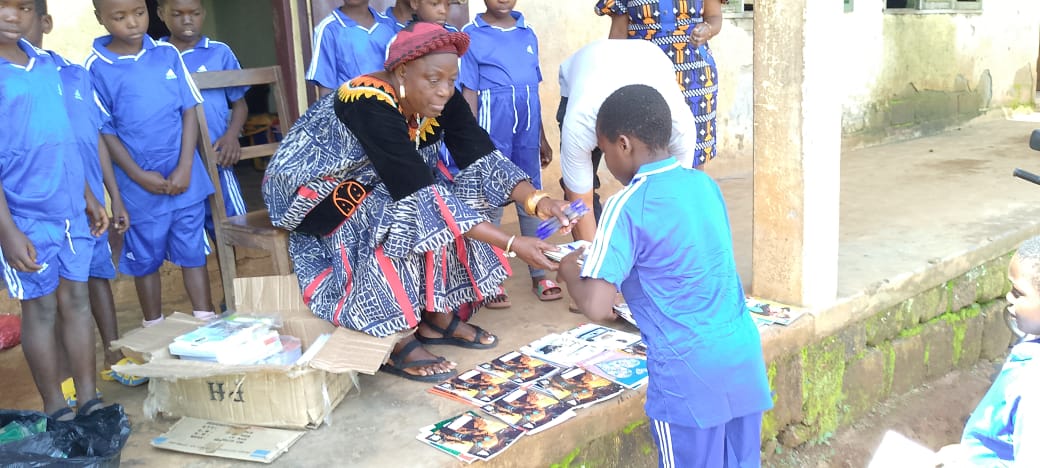
Run a school-supplies or fundraiser campaign for a vetted local organization.
Offer professional mentoring to nonprofit staff in education, health outreach, monitoring, or operations.
Support awareness work that promotes ethical, family-based care for AIDS orphans instead of institutional models.
How FADOA Readers Can Take the Next Step
For FADOA readers, the best next step is to support organizations that keep children connected to family, school, and community life. If you want to volunteer, start by matching your skills to a real operational need and be prepared for safeguarding checks, structure, and accountability. If you are not ready for a formal placement, financial support and skills-based remote help may do more good than a brief trip.
Endnotes
[1] Peace Corps - Eligibility and Core Expectations for Peace Corps Applicants. Learn more
[2] Peace Corps - Community Health and Youth Educator assignment example. Learn more
[3] Peace Corps - Volunteer service options and time commitments. Learn more
[8] UNV - How to register in the Global Talent Pool. Learn more
[9] UNICEF - Volunteering in orphanages. Learn more
[10] Better Care Network - About ReThink Orphanages. Learn more
Related Reading
Continue Exploring
Programs
Nutrition and Food Security in Africa
Examining the challenges of nutrition and food security for AIDS orphans across Africa, with a close look at programs addressing these needs in Cameroon and Kenya.
Partnerships with local organizations in Africa help AIDS orphans most when they strengthen trusted community systems, improve accountability, and adapt support to real needs in Cameroon and Kenya.
Fundraising and donation initiatives in Africa can better support AIDS orphans when donations strengthen school access, caregiver stability, health follow-up, and local accountability in Kenya and Cameroon.
Support ethical, community-based care for AIDS orphans through trusted local organizations that strengthen families, schools, and caregivers over time.